How Tallyfy compares to flowcharts, spreadsheets, and docs
Tallyfy isn’t for building flowcharts - it runs and tracks your processes instead of just drawing them.
Why Tallyfy beats flowcharts
Flowcharts show a process but can’t run it. That’s the core problem.
- Instructions, videos, and files on each step: Attach what people need right where they need it. No hunting for that PDF guide.
- Real-time status: See exactly where each process stands. Is John stuck on step 3? You’ll know instantly.
- Deadlines and automatic reminders: Assign tasks to specific people with due dates - Tallyfy nudges them automatically.
- People actually use it: Unlike a flowchart gathering dust on the shared drive, Tallyfy becomes a living workflow your team follows daily.
Why Tallyfy beats spreadsheets
Tracking processes in spreadsheets gets messy fast - multiple versions, nobody updating status, broken formulas.
Tallyfy fixes that:
- One place for everything: Stop jumping between 15 spreadsheets. All your processes live here.
- Clear ownership: Each task shows exactly who’s responsible. No more “I thought Sarah was handling that.”
- Steps run in order: Workflows follow your actual process - with rules that route tasks based on previous answers.
- Permissions built in: Contractors see only their tasks. Managers see everything.
- Always current: Forget “Process_Tracker_v2_FINAL_FINAL.xlsx” - everyone works from the same live workflow.
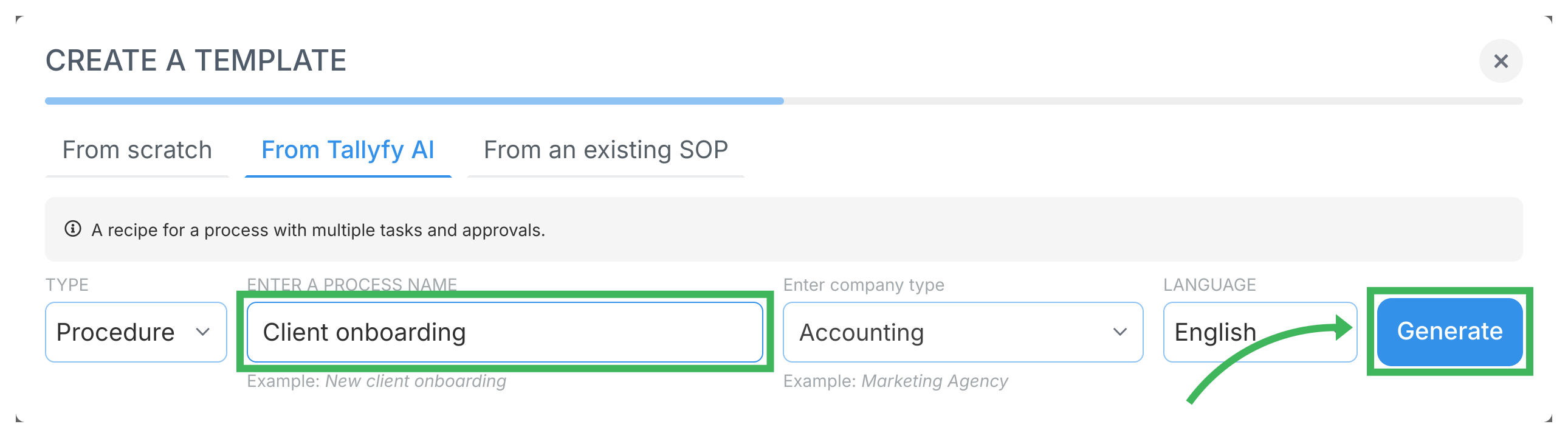
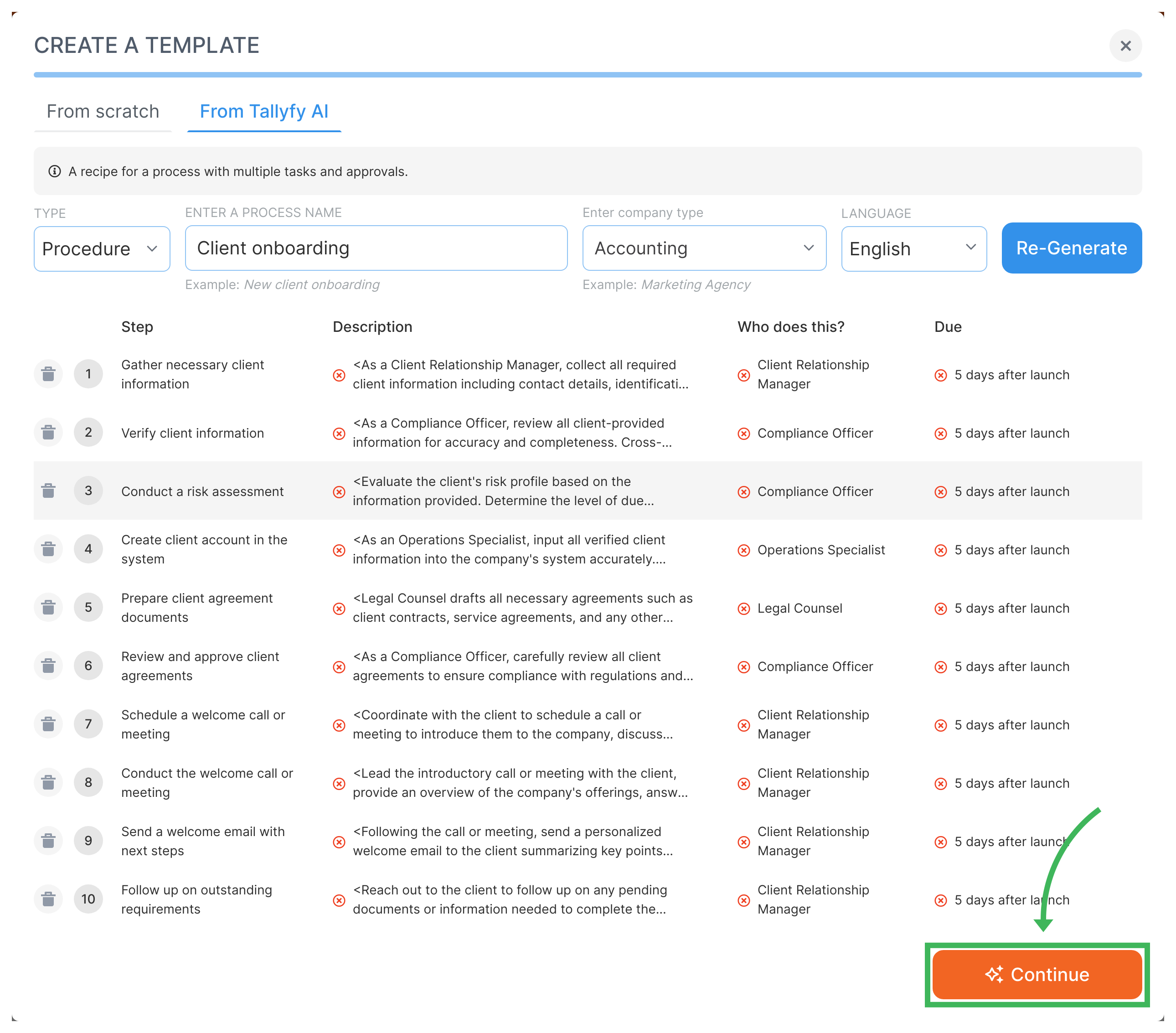
Why Tallyfy beats documents
Word docs and PDFs store information but can’t run processes. When’s the last time your team opened that 47-page procedures manual?
- Jump to your step: No scrolling through pages - go straight to where you are.
- Works on any device: Phone, tablet, laptop - Tallyfy works on all of them.
- Track who’s doing what: See who’s completed steps and where things are stuck. Documents can’t tell you that.
- Active, not static: Tallyfy guides people through each step, sends reminders, and tracks completion automatically.