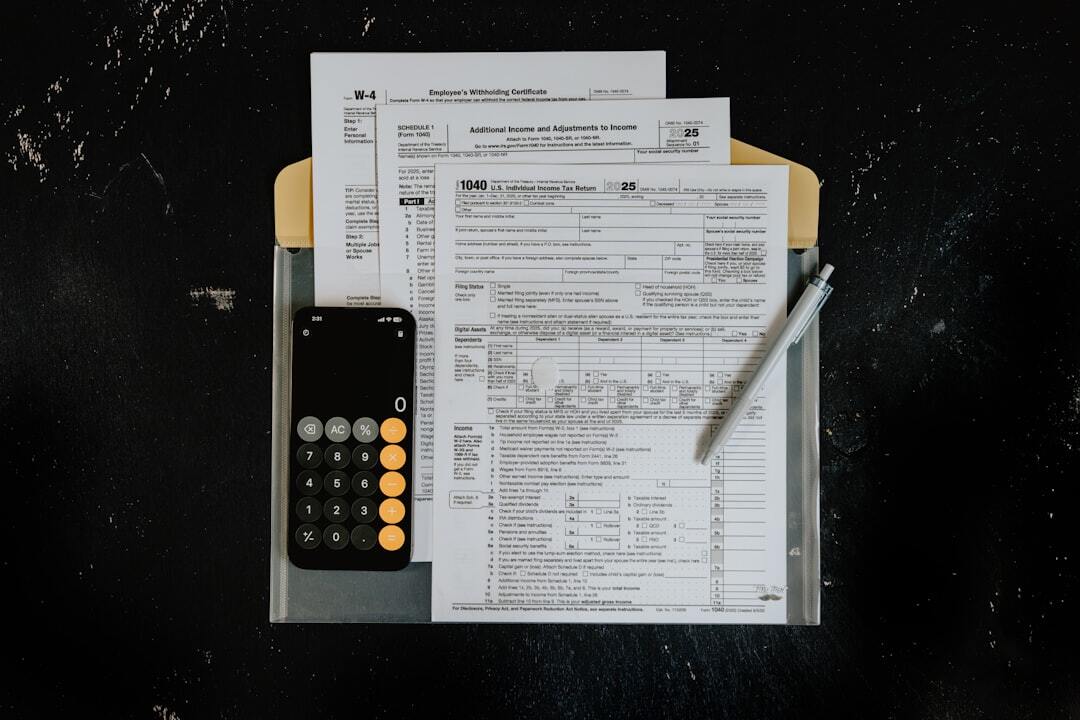
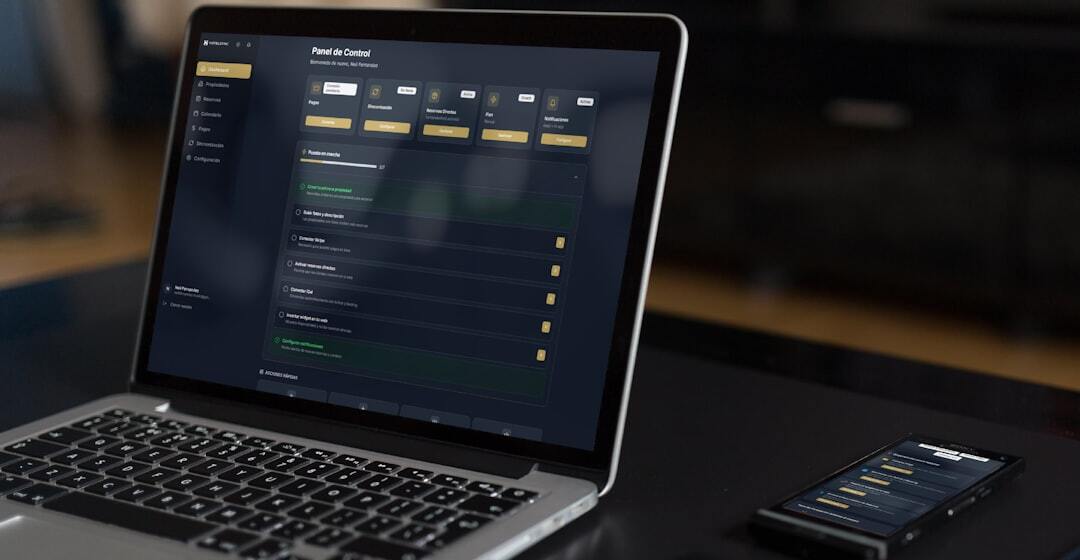
Define, automate, and scale business workflows. This is the core of what Tallyfy does, and it covers finance, AP and AR, audit, and compliance workflows.
Workflow automation is what happens when you stop running processes from memory and start running them on rails. Most mid-size companies still operate the way a lot of teams did twenty years ago: a Slack thread, a half-remembered tribal step, and an email chain that lives in one person's outbox. Workflow automation replaces that with a durable artefact, a documented process with an audit trail, and a system that handles the boring parts (notifications, deadlines, approvals, escalations) so people can spend their attention on judgement work. Running Tallyfy has taught us that the teams who get the most out of it almost never start by automating everything. They pick one painful, repeated process and get it live within a week. The articles in this cluster cover the full span: accounts payable and receivable, audit prep, vendor onboarding, compliance approval matrices, finance month-end close, contract renewals, and the day-to-day mechanics of moving a process from "it lives in someone's head" to "it runs in production." One distinction matters more than any feature list. Integration tools wire apps together; workflow tools run the multi-step, multi-person process itself, with the approvals and the record an auditor will ask for. That difference is also why workflow automation is becoming the layer AI agents plug into, because an agent needs a defined process to act inside, not a blank page. Start with the SOP and procedure-vs-process reads below, then move to the AP and approval-matrix examples. The point isn't to automate everything. It's to stop your processes breaking the second a key person goes on holiday.