
20 accountability quotes that cut through the noise
Accountability is not about blame or punishment. These 20 quotes from Jocko Willink, Brene Brown, W. Edwards Deming and other leaders reveal what real accountability looks like in teams and organizations.
Accountability gets talked about constantly but practiced rarely. Here’s how we approach it through structured workflows.
Workflow Made Easy
Summary
- Accountability is a system problem, not a people problem - When nobody knows who owns what, blaming individuals for dropped balls is dishonest. Fix the process first.
- Extreme ownership changes everything - The best teams don’t point fingers. They ask what they could have done differently, regardless of who was technically at fault.
- Visibility creates accountability automatically - When work is tracked and transparent, people step up. Darkness breeds avoidance.
- Accountability without authority is torture - Holding someone responsible for outcomes they can’t control is unfair and counterproductive. See how Tallyfy builds accountability into workflows
Why most accountability advice fails
Here’s what drives me crazy about accountability conversations. They almost always focus on the wrong thing. Someone drops the ball, management wants “more accountability,” and the solution is usually some combination of public shaming, tighter deadlines, and surveillance.
That’s not accountability. That’s fear.
Real accountability is structural. It’s about clarity - who owns what, when it’s due, and what success looks like. In our experience with workflow automation, we’ve observed that the teams with the strongest accountability cultures rarely talk about accountability. They just have clear processes. The ownership is built in. Nobody has to chase anyone because the work itself makes responsibilities visible. I think the problem starts with how we define the word. Most people hear “accountability” and imagine someone getting yelled at in a conference room. A manager standing over a team demanding to know why something was late. That’s punishment masquerading as accountability. Real accountability is quieter. It’s structured. It’s knowing exactly who is responsible for what before anything goes wrong - not scrambling to assign blame after the fact.
The quotes I’ve collected here come from people who understood this distinction. Some learned it in combat zones. Others figured it out after decades of building organizations. A few arrived at it through research that upended conventional wisdom about blame and trust.
What surprised me most, gathering these quotes, is how many of the best thinkers on accountability are also the ones most opposed to blame culture. Turns out, that’s not a coincidence. People who understand accountability deeply know that blame is its enemy, not its ally.
Personal accountability and ownership
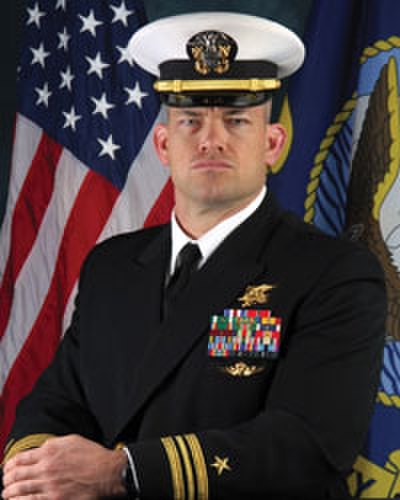
Leadership Consultant & Former Navy SEAL
1971-present
American podcaster, author, and retired Navy SEAL officer who commanded SEAL Team 3's Task Unit Bruiser. His leadership principles from combat, particularly 'Extreme Ownership,' have become foundational in business accountability training.
US Navy, Public domain, via Wikimedia Commons
The leader is always responsible for everything. There are no bad teams, only bad leaders.
- Jocko Willink, Extreme Ownership (2015)
Willink commanded SEAL teams in Ramadi, one of the most dangerous places on earth at the time. His principle of extreme ownership is blunt: if your team fails, that’s your failure. Not theirs. The instinct to blame subordinates is a leadership deficiency.
This is uncomfortable because it removes every excuse. And that’s precisely why it works. I’ve watched teams adopt this principle and it changes the entire dynamic of post-mortem meetings. Instead of finger-pointing, you get problem-solving. The shift is dramatic.
On any team, in any organization, all responsibility for success and failure rests with the leader. The leader must own everything in his or her world. There is no one else to blame.
- Jocko Willink, Extreme Ownership (2015)
Willink doubles down on the same idea because most people hear “extreme ownership” and nod without changing anything. Ownership isn’t a philosophy you agree with. It’s a practice you demonstrate when things go wrong and your gut screams to point at someone else.
The test is simple. Next time something fails on your team, what’s your first reaction? If it’s “who did this?” you’re not practicing extreme ownership. If it’s “what did I miss?” you are.
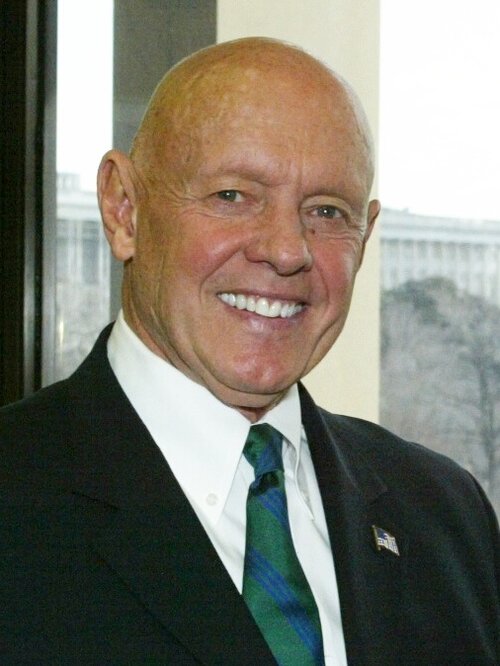
Author of The 7 Habits of Highly Effective People
1932-2012
American educator and author whose book 'The 7 Habits of Highly Effective People' sold over 40 million copies. His time management matrix distinguishing urgent from important work remains foundational to productivity thinking.
US Navy, Public domain, via Wikimedia Commons
Accountability breeds response-ability.
- Stephen Covey
Covey plays with the word “responsibility” and it lands. When people are held accountable, they develop the ability to respond. They grow. They get better. Without accountability, there’s no feedback loop, and without a feedback loop, there’s no improvement.
This connects directly to process improvement - you can’t improve what nobody owns.
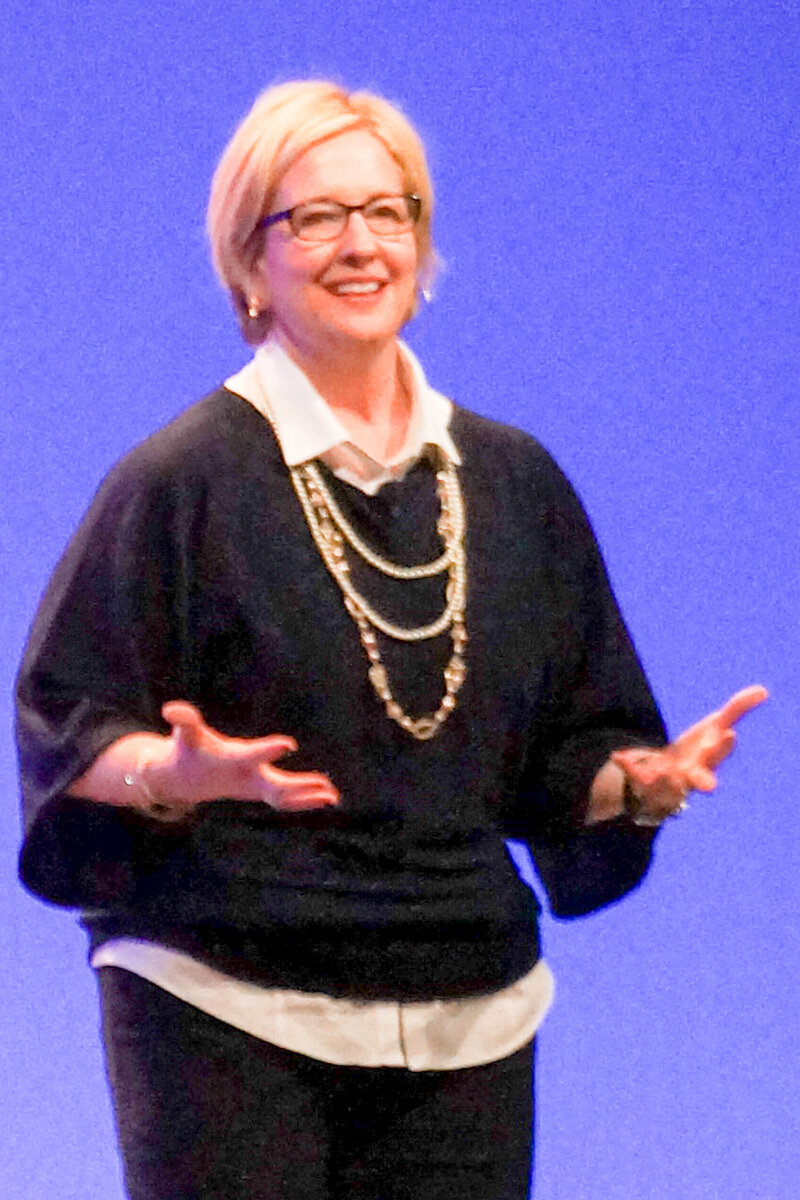
Research Professor & Author
1965-present
American researcher and author whose work on vulnerability, courage, and shame has transformed how organizations think about leadership. Her TED talk on vulnerability is one of the most viewed of all time, and her books have influenced corporate culture worldwide.
Maile Wilson, CC BY 3.0, via Wikimedia Commons
Clear is kind. Unclear is unkind.
- Brene Brown, Dare to Lead (2018)
Brown spent decades researching vulnerability and courage. Her insight about clarity applies directly to accountability in the workplace. When expectations are vague, people fail. Then they get blamed for failing at something that was never clearly defined.
Being direct about what you expect isn’t harsh. It’s kind. Letting someone flounder because you were too uncomfortable to be specific - that’s cruel.
I’ve seen this pattern destroy teams. A manager gives vague instructions, the employee interprets them differently, the work misses the mark, and then the manager says “they’re not accountable.” No. You weren’t clear. Big difference.
Daring leaders who live into their values are never silent about hard things.
- Brene Brown, Dare to Lead (2018)
Accountability requires difficult conversations. Most managers avoid them. Brown’s research shows that avoiding hard conversations does more damage than having them imperfectly. Silence isn’t kindness. It’s basically cowardice dressed up as politeness.
Team accountability and culture
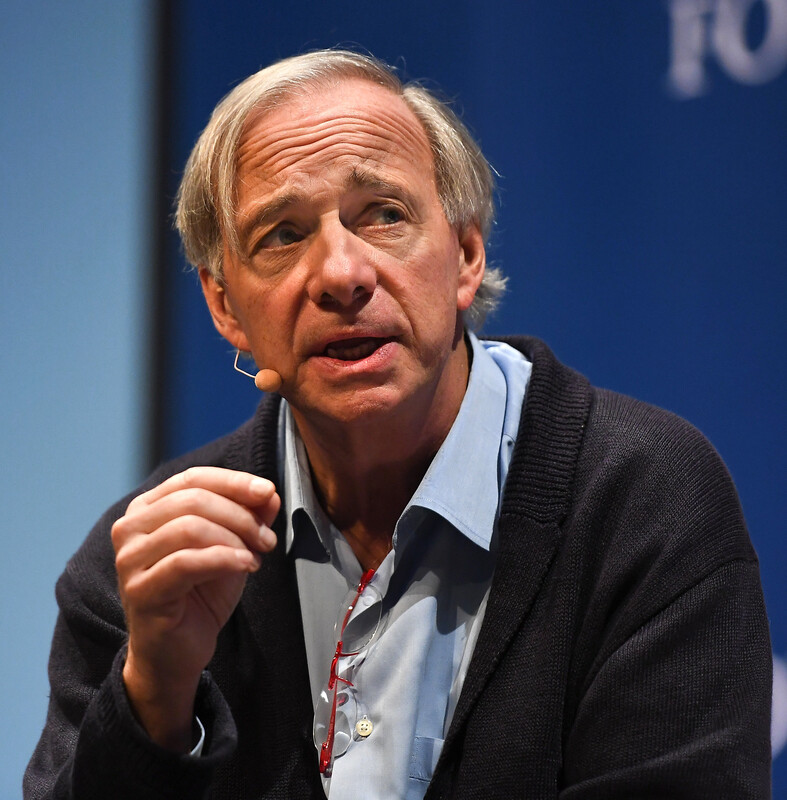
Founder of Bridgewater Associates
1949-present
American billionaire investor who founded Bridgewater Associates, the world's largest hedge fund. His 'Principles' for work and life, emphasizing radical transparency and systematic decision-making, have become influential in organizational management.
World Economic Forum, CC BY-SA 2.0, via Wikimedia Commons
If you are not failing, you are not pushing your limits, and if you are not pushing your limits, you are not maximizing your potential.
- Ray Dalio, Principles (2017)
Dalio built the world’s largest hedge fund on radical transparency. Everyone at Bridgewater could see everyone’s performance ratings. That level of openness terrifies most people. But Dalio argues that hiding failure is worse than experiencing it.
Accountability in teams works the same way. When mistakes are visible and treated as learning opportunities rather than career-ending events, people take more ownership. They stop hiding.
Most organizations say they want accountability but punish failure. That’s a messy contradiction. You can’t demand that people own their mistakes while firing them for making any. The math doesn’t work. Rational people will hide failures in that environment. Every single time. Can you force accountability through fear? Briefly.
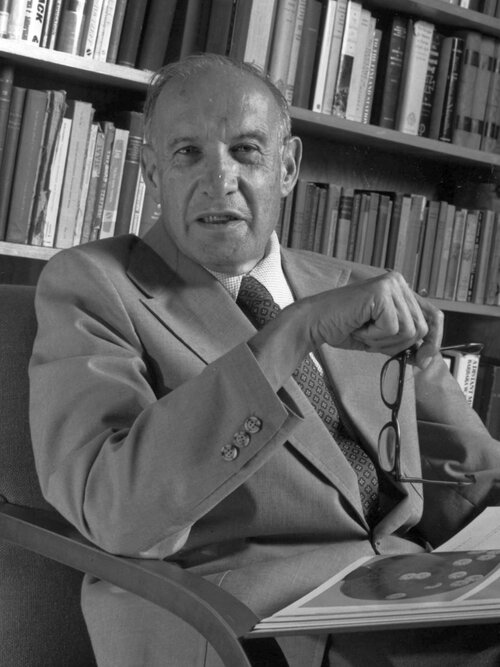
Management Consultant & Author
1909-2005
Austrian-American management consultant widely regarded as the father of modern management. His writings on management theory influenced business practices across the world and helped establish management as a legitimate discipline.
Jeff McNeill, CC BY-SA 2.0, via Wikimedia Commons
What gets measured gets managed.
- Peter Drucker
Drucker’s most quoted line is also his most misunderstood. He wasn’t saying measurement is always good. He was warning that people optimize for whatever you measure - whether that’s the right thing or not. Pick the wrong metrics and you get accountability theater. People hitting numbers that don’t matter while ignoring what does.
The lesson: be very careful about what you make people accountable for. In discussions we’ve had about operations at mid-size companies, this shows up constantly. Teams track vanity metrics because they’re easy to measure, while the important stuff stays invisible.
I’ve probably made this mistake myself more times than I want to admit. At Tallyfy, we’ve gone through periods where we measured activity instead of outcomes, then wondered why everyone was busy but nothing meaningful was getting done. The metric was the problem, not the people.
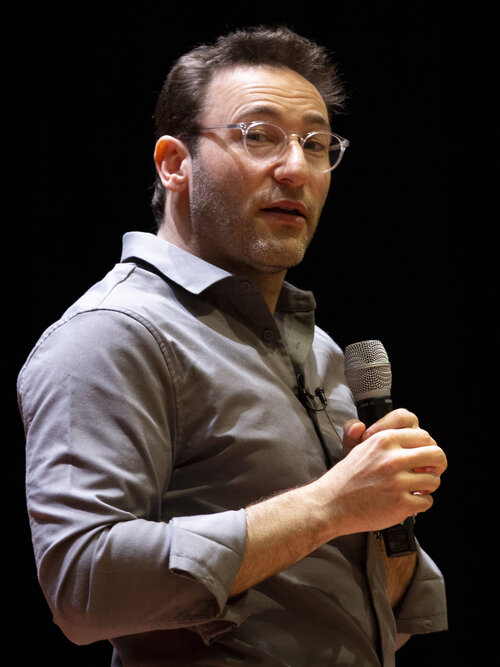
Author of Start With Why
1973-present
British-American author and motivational speaker best known for his concept of 'The Golden Circle' and the idea that great leaders 'start with why.' His TED talk is among the most-watched of all time.
US Marine Corps, Public domain, via Wikimedia Commons
A team is not a group of people who work together. A team is a group of people who trust each other.
- Simon Sinek
Trust and accountability aren’t opposites. They’re prerequisites for each other. You can’t have real accountability without trust because people will hide failures instead of owning them. And trust without accountability eventually erodes - because someone always takes advantage.
This is why the best delegation practices require both. Trust someone enough to give them ownership, then hold them accountable for outcomes.

CEO of Microsoft
1967-present
Indian-American CEO of Microsoft since 2014, credited with transforming the company's culture from competitive infighting to collaborative growth mindset. His leadership tripled Microsoft's market value.
Microsoft, CC BY-SA 4.0, via Wikimedia Commons
Our industry does not respect tradition. It only respects innovation.
- Satya Nadella
When Nadella took over Microsoft from Steve Ballmer, he inherited a culture where people hoarded information and sabotaged internal rivals. He replaced it with a growth mindset culture where accountability meant learning, not punishment. Microsoft’s market cap tripled.
The shift wasn’t about being softer. It was about being honest. The old culture made people accountable for looking good. The new culture made them accountable for getting better.
This distinction is worth sitting with. Accountable for looking good versus accountable for getting better. Those two cultures produce entirely different behaviors, entirely different outcomes, and entirely different companies.
We needed a culture that was not focused on placing blame but one that was focused on learning and growth.
- Satya Nadella, Hit Refresh (2017)
This is the follow-through on the previous quote. Blame-focused accountability drives cover-ups. Learning-focused accountability drives improvement. The distinction matters enormously for anyone trying to build accountability into their team culture.
Leadership accountability
Management Consultant & Author
1909-2005
Austrian-American management consultant widely regarded as the father of modern management. His writings on management theory influenced business practices across the world and helped establish management as a legitimate discipline.
Jeff McNeill, CC BY-SA 2.0, via Wikimedia Commons
Management is doing things right; leadership is doing the right things.
- Peter Drucker
Leaders are accountable for direction. Managers are accountable for execution. Confuse the two and you get leaders obsessing over details while nobody’s steering the ship. Actually, the line is blurrier than that. Both kinds of accountability matter, but they’re fundamentally different jobs.
I see this confusion constantly in growing companies. The founder who was an incredible individual contributor gets promoted to CEO and keeps doing individual contributor work. Nobody’s accountable for the big picture because the person who should be is buried in spreadsheets and code reviews.
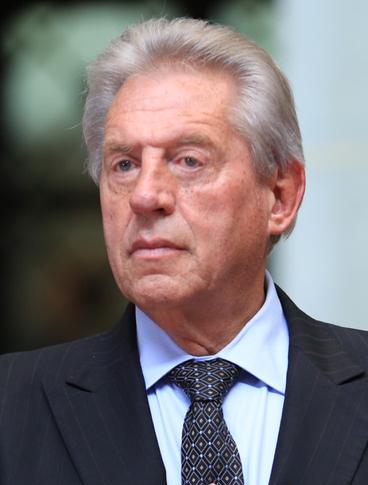
Leadership Author & Speaker
1947-present
American author and speaker who has written more than 100 books on leadership. His work on the '21 Irrefutable Laws of Leadership' and the concept that 'leadership is influence' has shaped how organizations develop their leaders.
John Maxwell Company, CC BY-SA 3.0, via Wikimedia Commons
A leader is one who knows the way, goes the way, and shows the way.
- John Maxwell
Maxwell has written over 100 books on leadership. This particular insight cuts to the core of leadership accountability. Knowing isn’t enough. Going isn’t enough. You have to show others the path. Leadership accountability is demonstrated, not declared.
The leaders I’ve watched fail at accountability almost always skip the “goes the way” part. They set expectations they don’t follow themselves. People notice. Always.
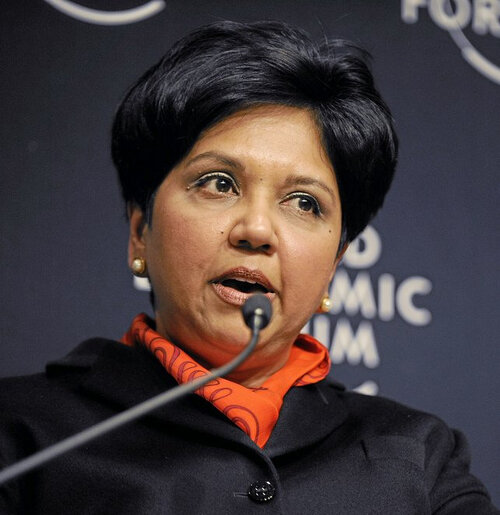
Former CEO of PepsiCo
1955-present
Indian-American businesswoman who served as CEO of PepsiCo from 2006 to 2018. Her 'Performance with Purpose' strategy integrated social responsibility with business performance, demonstrating that values and profits can coexist.
World Economic Forum, CC BY-SA 2.0, via Wikimedia Commons
Whatever anybody says or does, assume positive intent. You will be amazed at how your whole approach to a person or problem becomes very different.
- Indra Nooyi
Nooyi ran PepsiCo and built her leadership philosophy around this principle. It sounds soft, but it’s actually demanding. Assuming positive intent means you still address the problem - you just don’t start by assuming the person is incompetent or malicious.
This makes accountability conversations productive instead of adversarial. The focus shifts from “you messed up” to “something went wrong and let’s figure out why together.”
Nooyi’s approach is probably the single most underrated leadership skill I’ve encountered. When you walk into an accountability conversation assuming the other person is trying their best, the conversation goes somewhere useful. When you walk in assuming they’re lazy or careless, it goes nowhere fast.

CEO of Berkshire Hathaway
1930-present
American investor and CEO of Berkshire Hathaway, widely regarded as one of the most successful investors in history. Known for his long-term value investing philosophy and candid shareholder letters on business principles.
Mark Hirschey, CC BY-SA 2.0, via Wikimedia Commons
It takes 20 years to build a reputation and five minutes to ruin it. If you think about that, you’ll do things differently.
- Warren Buffett
Buffett ties accountability to long-term thinking. When you’re accountable for the long game, short-term temptations lose their appeal. This applies to organizations as much as individuals. Companies that optimize for quarterly numbers at the expense of quality are choosing short-term metrics over long-term accountability. And everybody knows it.
There’s something powerful about this framing. It shifts accountability from an external force - someone watching over you - to an internal compass. When you genuinely care about your reputation over decades, you behave differently than when you only care about this quarter’s results.
Process accountability and systems
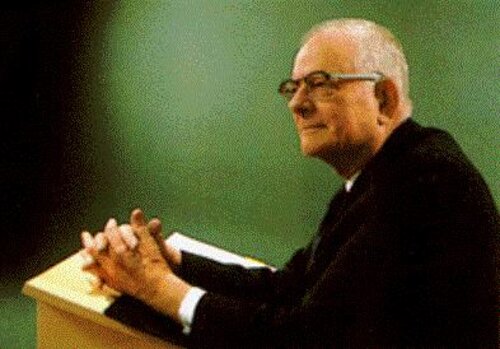
Statistician & Quality Management Pioneer
1900-1993
American engineer, statistician, and management consultant who taught Japanese manufacturers post-WWII quality methods. His 14 Points for Management and concept that 85% of problems are systemic transformed manufacturing worldwide.
Public domain, via Wikimedia Commons
A bad system will beat a good person every time.
- W. Edwards Deming
Deming spent his career proving that most problems are systemic, not individual. His research showed that roughly 85% of quality failures come from the system, not the workers. Holding individuals accountable for system failures isn’t just unfair - it’s counterproductive. You end up punishing people for problems they can’t fix.
This is why at Tallyfy, we focus on process accountability rather than personal blame. Build a better system and the people inside it produce better results.
The emphasis should be on why we do a job.
- W. Edwards Deming, Out of the Crisis (1982)
Deming understood that accountability without purpose is just compliance. People follow rules because they have to, not because they want to. Connect the work to meaning and accountability becomes intrinsic. Nobody has to chase them.
Creator of Theory of Constraints
1947-2011
Israeli business management guru who developed the Theory of Constraints. His novel 'The Goal' became one of the best-selling business books ever, teaching constraint management through storytelling.
Wikimedia Commons, CC BY-SA 3.0
Tell me how you measure me, and I will tell you how I will behave.
- Eliyahu Goldratt
Goldratt created the Theory of Constraints and this quote perfectly explains why accountability systems backfire. If you measure call center agents on call duration, they’ll rush through calls. If you measure developers on lines of code, they’ll write bloated software. The measurement creates the behavior.
Before you hold anyone accountable, examine what you’re measuring. Feedback we’ve received suggests that most accountability failures are measurement failures in disguise.
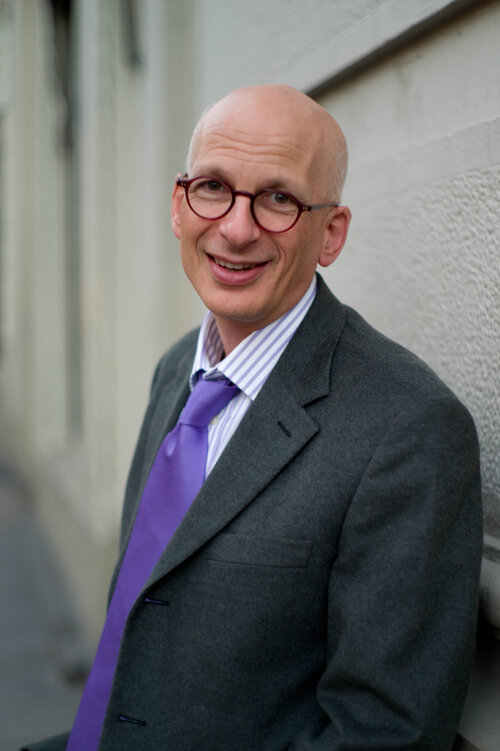
Author & Marketing Thought Leader
1960-present
American author and entrepreneur who has written 21 bestselling books on marketing, leadership, and change. Known for his daily blog and accessible insights on how businesses can thrive by being remarkable.
Joi Ito, CC BY 2.0, via Wikimedia Commons
In a race, the weights are given to the fastest horse.
- Seth Godin
Godin observes a painful truth about organizations. Your most reliable people get the most work piled on them. This is accountability gone wrong - rewarding competence with overload while underperformers coast.
Real accountability means everyone carries their weight. Not just the people you trust most. Is overloading your best people a form of accountability? Not even close.
The secret to leadership is simple: Do what you believe in. Paint a picture of the future. Go there. People will follow.
- Seth Godin
Accountability starts with clarity of direction. If the leader can’t articulate where the team is going and why, holding people accountable for getting there is absurd. Godin strips it down to the essentials: believe, communicate, act.
Accountability is the glue that ties commitment to the result.
- Bob Proctor
Proctor spent decades studying human potential. This quote nails the relationship between intention and execution. Everyone is committed in meetings. Everyone agrees with the plan. Accountability is what happens between the meeting and the deadline. It’s the bridge most teams never build.
At Tallyfy, we’ve seen this play out hundreds of times. The commitment is real. The follow-through evaporates because there’s no system holding the commitment in place.
What actually creates accountability
After 10 years building workflow software and watching teams struggle with accountability, I’ve noticed something. The teams that talk most about accountability usually have the least of it. The teams with real accountability rarely use the word.
Here’s what separates them.
Visible work beats invisible work. When everyone can see what everyone else is working on, accountability is a no-brainer. Darkness breeds avoidance. Transparency creates ownership. This is why we built Tallyfy around visible workflows - not hidden task lists.
Ownership must be singular. When two people own a task, nobody owns it. Every piece of work needs one name attached to it. Not a team. Not a department. One person.
Consequences must be consistent. Accountability without consequences is suggestion. But consequences don’t have to be punishment. The best consequence for missed accountability is a conversation about why - and a system change to prevent repetition.
Authority must match responsibility. Holding someone accountable for outcomes they can’t control isn’t accountability. It’s cruelty. If you give someone responsibility, give them proper authority and resources to deliver.
Process creates the container. Individual willpower isn’t enough. You need processes that make accountability structural, not personal. When the system itself tracks who owns what and when it’s due, accountability stops being a conversation and starts being a fact.
The real lesson from all these quotes is simple. Accountability isn’t something you demand from people. It’s something you build into the way work gets done.
About the Author
Amit is the CEO of Tallyfy. He is a workflow expert and specializes in process automation and the next generation of business process management in the post-flowchart age. He has decades of consulting experience in task and workflow automation, continuous improvement (all the flavors) and AI-driven workflows for small and large companies. Amit did a Computer Science degree at the University of Bath and moved from the UK to St. Louis, MO in 2014. He loves watching American robins and their nesting behaviors!
Follow Amit on his website, LinkedIn, Facebook, Reddit, X (Twitter) or YouTube.

Automate your workflows with Tallyfy
Stop chasing status updates. Track and automate your processes in one place.