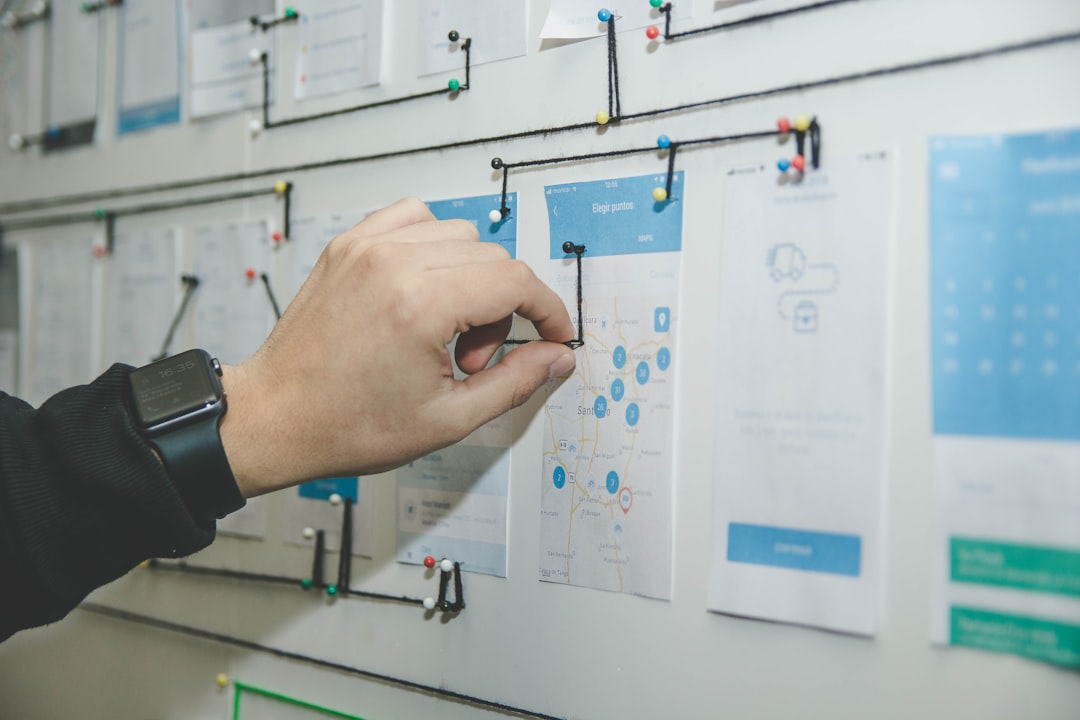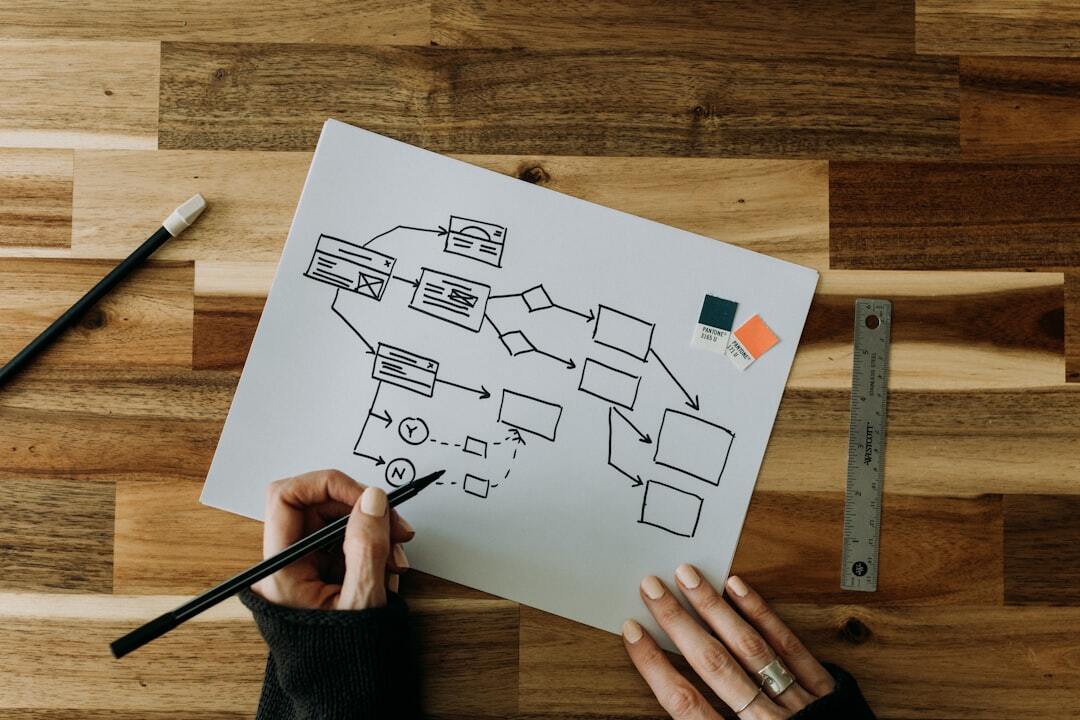
Process improvement is what happens after you've documented your processes and realised half of them are wasteful or wrong. Lean, Six Sigma, Kaizen, SOPs, value-stream mapping: they all sound corporate, and most of the time they are, but the underlying ideas (reduce waste, reduce variation, make the work visible) are useful at any company size. The articles here lean practical. We're not interested in lecturing you on DMAIC; we're interested in the moves a real ops lead can make on a Tuesday afternoon. If you're staring at a process that everyone hates and you want to know where to start, this is the right reading list. Most posts also link to specific Tallyfy patterns for documenting and tracking the result, because process improvement that lives only in a slide deck improves nothing.

All articles in Process Improvement

See the wider Process Improvement cluster →

Frequently asked questions

What is continuous improvement?
Continuous improvement is the practice of regularly making small changes to processes, tools, and habits to get better outcomes over time. It traces back to the Toyota Production System and shows up in modern frameworks like Lean and Kaizen. Done well, the small changes compound; done badly, you get a parade of "improvement initiatives" nobody finishes.
How do you implement process improvement?
Pick one process people complain about, document the current state honestly (not the idealised version), measure two or three things that matter, change one thing at a time, and re-measure after a couple of weeks. The most common failure is trying to fix five processes simultaneously and learning nothing from any of them.
What is Kaizen?
Kaizen is the Japanese term for continuous improvement, popularised in the West by the Toyota Production System. The cultural backbone is "everyone owns improvement", from the operator on the line to the executive team. In practice Kaizen events are short, focused workshops to fix one specific thing.
What is the DMAIC framework?
DMAIC stands for Define, Measure, Analyze, Improve, Control. It's Six Sigma's project framework for improving an existing process: define the problem, measure the current state, analyze root cause, improve the process, and control the new state so it doesn't drift back. Best used when you have quantifiable defect or cycle-time data.
How do you measure improvement results?
Pick the metric the stakeholder cares about (cycle time, defect rate, satisfaction score, dollar cost) and track it before and after the change. The discipline is resisting the urge to celebrate the change without measuring; most "process improvements" are not improvements when you actually run the numbers.