
Productivity quotes that cut through the noise
Most productivity advice recycles the same tired tips. These 22 quotes from Drucker, Buffett, Seneca and others who built real systems reveal what getting things done actually requires.
Managing productive teams requires more than motivation posters. Here is how Tallyfy approaches work management in practice.
Work Management Made Easy
Summary
- Busy and productive are not the same thing - Thoreau pointed this out in 1857 and we still haven’t learned. Ants are busy. The question is what you’re busy about.
- Systems beat goals every time - James Clear’s insight that you fall to the level of your systems, not rise to the level of your goals, changes how you think about output.
- Saying no is a productivity strategy - Warren Buffett’s blunt advice: really successful people say no to almost everything. Most people can’t bring themselves to do it.
- Process clarity comes before effort - Deming was right. Doing your best isn’t enough if you don’t know what to do first. Fix the direction, then push hard. See how Tallyfy helps teams stay productive
Difference between busy and productive
Here is what drives me a bit crazy. Everyone I talk to says they are busy. Packed calendars. Overflowing inboxes. Back-to-back meetings. And yet, ask them what they actually accomplished this week - genuinely accomplished - and the room goes quiet.
Busyness is comfortable. It feels like work. It looks like work. But it often is not work. It is messy motion without direction, and these quotes from people who figured that out the hard way say it better than I can.
Every time we onboard a new team, the same issue surfaces at Tallyfy building workflow tools for operations teams, we have seen this pattern hundreds of times. Teams drowning in tasks but starving for outcomes. Tracking productivity is not about watching people - it is about making sure effort connects to results.
It is not enough to be busy. So are the ants. The question is: What are we busy about?
- Henry David Thoreau
Thoreau wrote this in a letter to his friend H.G.O. Blake back in 1857. The original word was “industrious,” not busy. But the point hasn’t aged a day.
Ants do not think about what they are doing. They just do it. Reflexively. Endlessly. If your work feels like that - reflexive, endless, never progressing toward anything specific - that is a signal. Not a badge of honor.

Author of The 4-Hour Workweek
1977-present
American entrepreneur, author, and podcaster known for deconstructing world-class performers. His '4-Hour' book series challenged conventional wisdom about work, and his systematic approach to skill acquisition and lifestyle design has influenced millions.
TechCrunch, CC BY 2.0, via Wikimedia Commons
Focus on being productive instead of busy.
- Tim Ferriss, The 4-Hour Workweek
Short. Blunt. And most people nod along, then go right back to filling their calendar. Ferriss also said something that stuck with me: being perpetually busy is a kind of laziness. Lazy thinking, lazy prioritization. You fill the day with easy tasks because hard decisions about what matters are uncomfortable.
I think he is right. Probably more right than most productivity gurus.
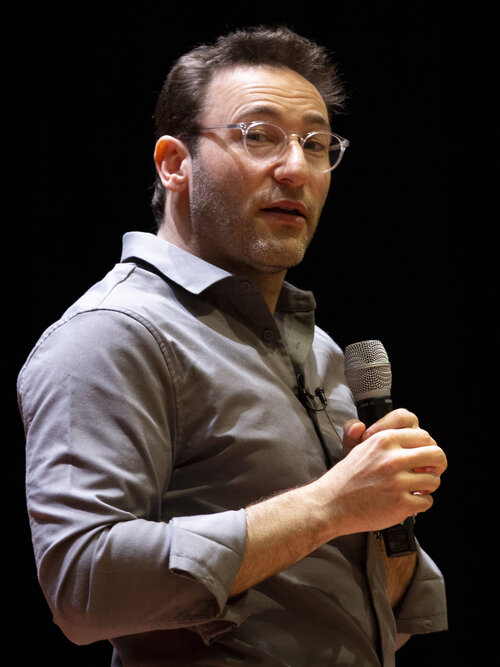
Author of Start With Why
1973-present
British-American author and motivational speaker best known for his concept of 'The Golden Circle' and the idea that great leaders 'start with why.' His TED talk is among the most-watched of all time.
US Marine Corps, Public domain, via Wikimedia Commons
Working hard for something we don’t care about is called stress. Working hard for something we love is called passion.
- Simon Sinek
This reframes the whole conversation. Productivity is not a mechanical problem. It is an alignment problem. When people are grinding through work they find meaningless, no amount of time management hacks will save them. The energy is not there.
We have observed this at Tallyfy constantly. Teams that understand why their workflows exist outperform teams with better tools but no clarity on purpose. Every time.
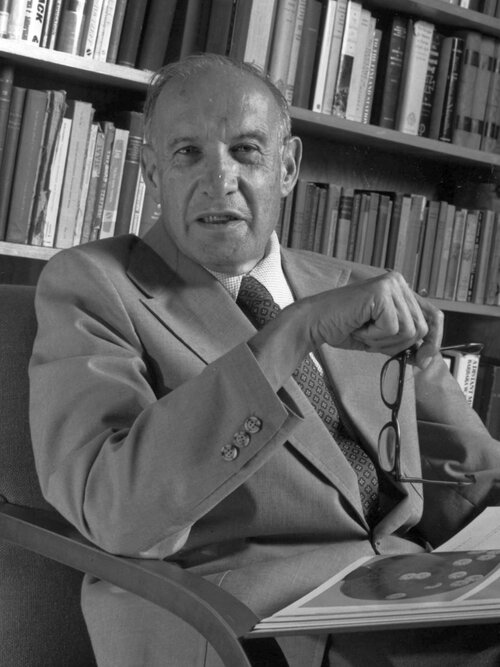
Management Consultant & Author
1909-2005
Austrian-American management consultant widely regarded as the father of modern management. His writings on management theory influenced business practices across the world and helped establish management as a legitimate discipline.
Jeff McNeill, CC BY-SA 2.0, via Wikimedia Commons
There is nothing so useless as doing efficiently that which should not be done at all.
- Peter Drucker
Drucker published this idea in a 1963 Harvard Business Review article on managing for business effectiveness. And it demolishes a whole industry of productivity advice.
Think about it. You can optimize your email workflow. Build templates. Set filters. Create elaborate folder structures. Batch your responses. But if half those emails should not exist - if the underlying process that generates them is broken - you have basically gotten really good at something pointless.
This is the problem Tallyfy was designed to solve - showing the process first. You need to see what should be eliminated before you waste time improving it.
Do first things first, and second things not at all.
- Peter Drucker, The Effective Executive (1967)
Not “do second things later.” Not at all. That is harsh. And necessary.
Most to-do lists are wish lists. Twenty items, of which maybe three matter. The discipline is not in doing all twenty faster. It is in crossing off seventeen and doing three well. Brutal, but true.
Why systems matter more than willpower
Willpower is overrated. I have tried the wake-up-at-5am thing. The Pomodoro technique got a shot. I have tried blocking my calendar into color-coded slots. Some of it helps temporarily. None of it sticks without a proper system underneath.
The people quoted below figured out something important: productivity is not about trying harder. It is about building structures that make the right behavior easier and the wrong behavior harder. Does willpower alone get you there? Not even close.
You do not rise to the level of your goals. You fall to the level of your systems.
- James Clear, Atomic Habits
This might be the most important productivity insight of the last decade. Clear’s whole argument in Atomic Habits boils down to this: every person has the same goals. Winners and losers both want to succeed. The difference is in the systems they build.
Applied to teams, it is even more powerful. Your team’s output is not determined by how ambitious your quarterly targets are. It is determined by the daily workflows, handoffs, and accountability structures they operate within. In our conversations about process design at Tallyfy, this is the single biggest misconception we encounter - people think they need better goals when they need better systems.

Leadership Consultant & Former Navy SEAL
1971-present
American podcaster, author, and retired Navy SEAL officer who commanded SEAL Team 3's Task Unit Bruiser. His leadership principles from combat, particularly 'Extreme Ownership,' have become foundational in business accountability training.
US Navy, Public domain, via Wikimedia Commons
Discipline equals freedom.
- Jocko Willink, Discipline Equals Freedom: Field Manual
Three words. A former Navy SEAL commander distilled everything he learned about performance into three words.
It sounds contradictory. Discipline restricting you? No. Discipline creating space. When your morning routine is automatic, you do not waste mental energy deciding what to do. When your process for handling work is documented, you do not waste time reinventing the wheel every Monday.
Structure creates freedom. Every time.

Founder of Bridgewater Associates
1949-present
American billionaire investor who founded Bridgewater Associates, the world's largest hedge fund. His 'Principles' for work and life, emphasizing radical transparency and systematic decision-making, have become influential in organizational management.
World Economic Forum, CC BY-SA 2.0, via Wikimedia Commons
Pain plus reflection equals progress.
- Ray Dalio, Principles
Turns out, Dalio built this equation into the operating system of the world’s largest hedge fund. When something goes wrong at Bridgewater, they don’t just fix it. They dissect it. Publicly. Ruthlessly.
Most teams skip the reflection part. Something breaks, they patch it, they move on. The same problem surfaces three months later. Sound familiar?
Productive teams are not teams that avoid mistakes. They are teams that learn from them systematically. This is why we built process tracking into Tallyfy - not just to run workflows, but to see where they break and why.
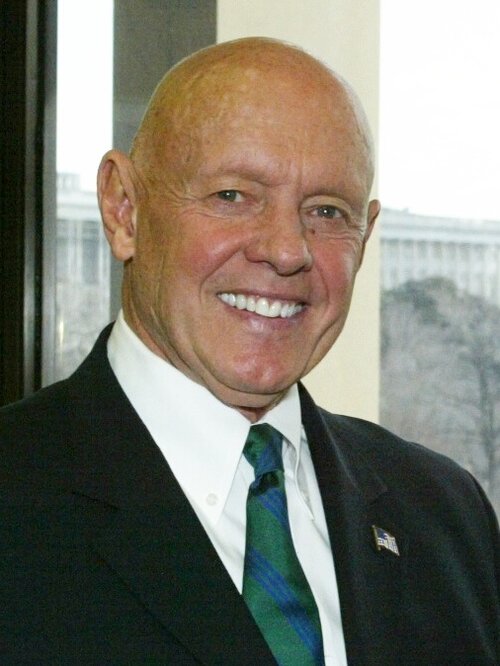
Author of The 7 Habits of Highly Effective People
1932-2012
American educator and author whose book 'The 7 Habits of Highly Effective People' sold over 40 million copies. His time management matrix distinguishing urgent from important work remains foundational to productivity thinking.
US Navy, Public domain, via Wikimedia Commons
The key is not to prioritize what is on your schedule, but to schedule your priorities.
- Stephen Covey, The 7 Habits of Highly Effective People
Covey’s time management matrix - urgent vs. important - changed how a generation thought about work. The trap is obvious once you see it: urgent tasks feel productive. Important tasks feel optional. So your day fills with urgency and importance gets pushed to “someday.”
Someday never comes. Schedule it or lose it.
The ruthless art of saying no
This is the section most people skip. Or read and then ignore. Because saying no is socially expensive. It feels rude. It feels like you are letting people down. But every yes to something unimportant is a no to something that matters.

CEO of Berkshire Hathaway
1930-present
American investor and CEO of Berkshire Hathaway, widely regarded as one of the most successful investors in history. Known for his long-term value investing philosophy and candid shareholder letters on business principles.
Mark Hirschey, CC BY-SA 2.0, via Wikimedia Commons
The difference between successful people and really successful people is that really successful people say no to almost everything.
- Warren Buffett
Almost everything. Not some things. Not the obviously bad things. Almost everything.
Buffett reportedly uses a simple exercise: write down 25 career goals. Circle the top 5. The remaining 20? Those are not your secondary priorities. They are your “avoid at all costs” list. Because those 20 are the things tempting enough to distract you from the 5 that matter.
I’m not convinced I could execute this as ruthlessly as Buffett does. But the principle is sound.
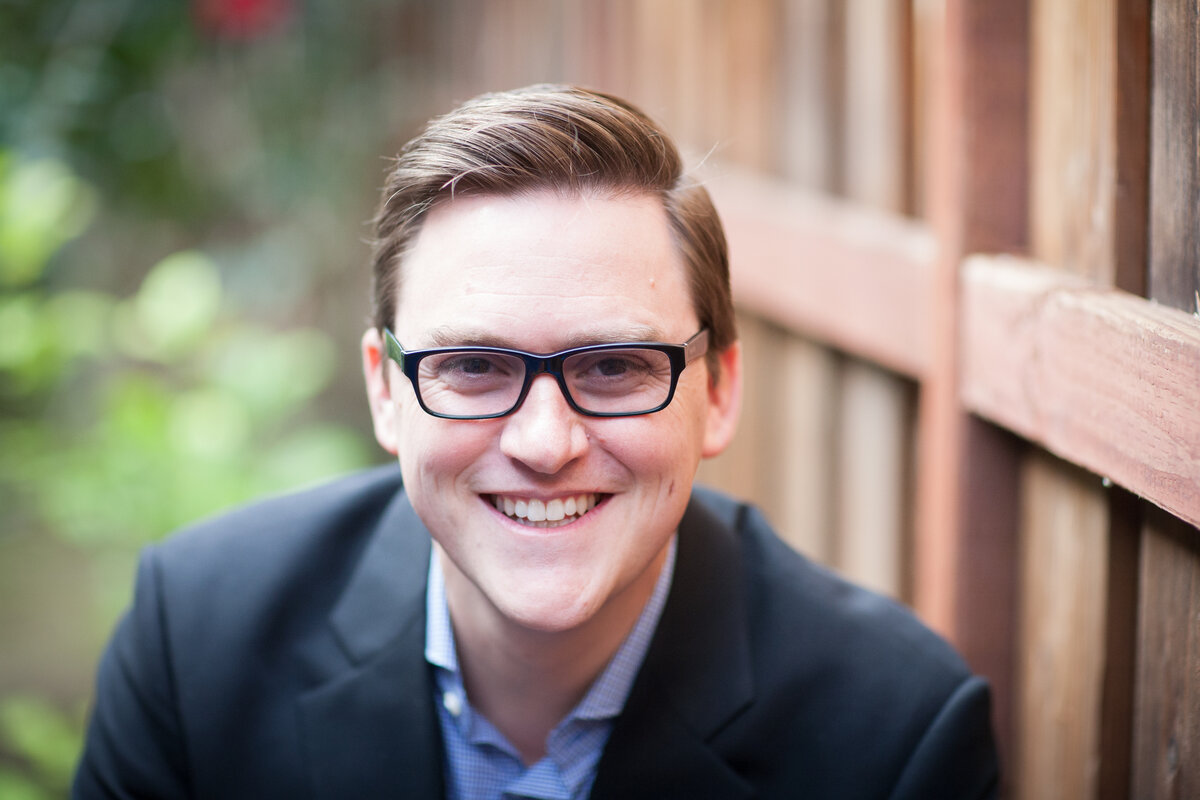
Author of Essentialism
1977-present
British author and business strategist whose book 'Essentialism: The Disciplined Pursuit of Less' challenges the assumption that we can do it all. His framework helps leaders focus on what truly matters by systematically eliminating the trivial many.
Entrepreneur, CC BY 3.0, via Wikimedia Commons
Essentialism is not about how to get more things done. It is about how to get the right things done.
- Greg McKeown, Essentialism
McKeown’s full statement is worth reading: “It does not mean just doing less for the sake of less either. It is about making the wisest possible investment of your time and energy in order to operate at our highest point of contribution.”
The word “highest point of contribution” is key. Not highest point of activity. Contribution. What are you uniquely positioned to do? Do that. Ruthlessly delegate or eliminate the rest.

Entrepreneur & Angel Investor
1974-present
Indian-American entrepreneur who co-founded AngelList and has invested in over 200 companies including Twitter, Uber, and Notion. His philosophical approach to wealth, happiness, and leverage has influenced a generation of entrepreneurs and knowledge workers.
Christopher Michel, CC BY 2.0, via Wikimedia Commons
Set and enforce an aspirational personal hourly rate. If fixing a problem will save less than your rate, ignore it. If outsourcing a task will cost less than your rate, outsource it.
- Naval Ravikant
Naval set his aspirational rate at $5,000 per hour before he had the wealth to justify it. The point is not the number. The point is the mental framework.
When you value your time at $200/hour, spending 45 minutes comparison-shopping for a $15 difference feels absurd. Because it is. But people do it constantly. They haggle over trivial amounts while bleeding irreplaceable hours on tasks someone else could handle.
This connects directly to how we think about productivity tools at Tallyfy. The question is not “can I do this task?” It is “should I be the one doing this task?”
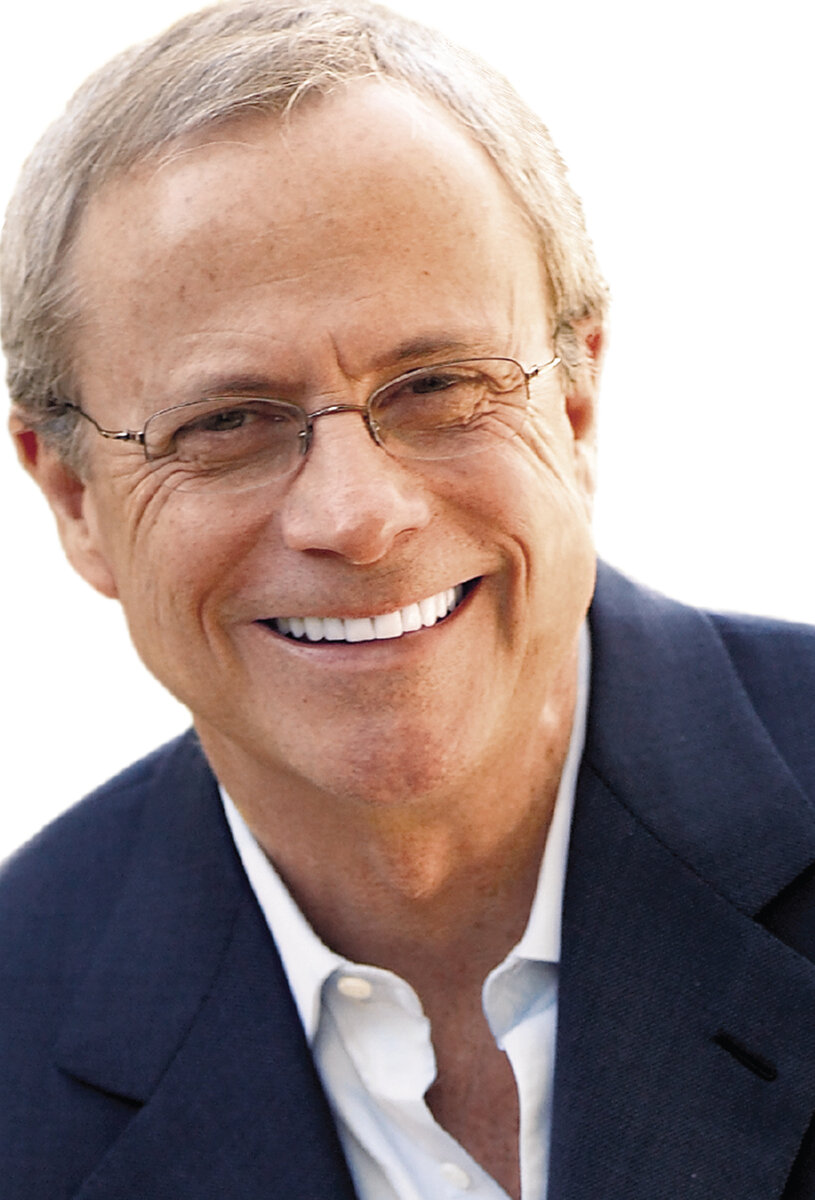
Creator of Getting Things Done
1945-present
American productivity consultant and author of 'Getting Things Done,' the influential methodology for personal and professional productivity. His system of capturing, clarifying, and organizing work has been adopted by millions of knowledge workers.
Ged Carroll, CC BY 2.0, via Wikimedia Commons
You can do anything, but not everything.
- David Allen, Getting Things Done
Allen’s GTD methodology is built on a simple premise: your brain is terrible at holding open loops. Every uncommitted task floating in your head drains mental energy. Capture everything. Decide on each item. Then execute without the cognitive tax of remembering.
The quote cuts deeper than it looks. You can do anything. That is empowering. But not everything. That is the constraint nobody wants to accept.
Direction before effort
This is where most productivity advice fails. It assumes the direction is already clear and the problem is just speed or volume. But from what I have seen - in our work building Tallyfy and in discussions with hundreds of operations teams - the real problem is usually upstream. People are productive at the wrong things.
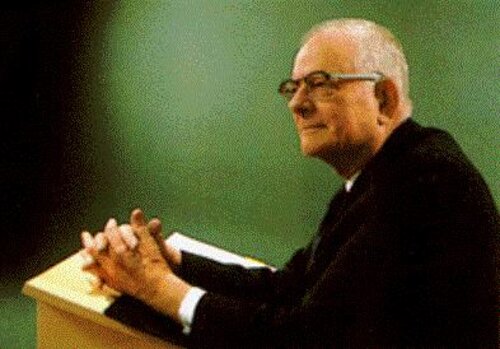
Statistician & Quality Management Pioneer
1900-1993
American engineer, statistician, and management consultant who taught Japanese manufacturers post-WWII quality methods. His 14 Points for Management and concept that 85% of problems are systemic transformed manufacturing worldwide.
Public domain, via Wikimedia Commons
It is not enough to do your best. You must know what to do, and then do your best.
- W. Edwards Deming
Deming transformed Japanese manufacturing after World War II by insisting on something that sounds obvious: understand the work before optimizing it. His 14 Points for Management remain foundational to quality thinking.
“Doing your best” sounds virtuous. And it is. But effort without direction is just energy dispersal. A team working at full capacity on the wrong process is not productive. They are exhausted.
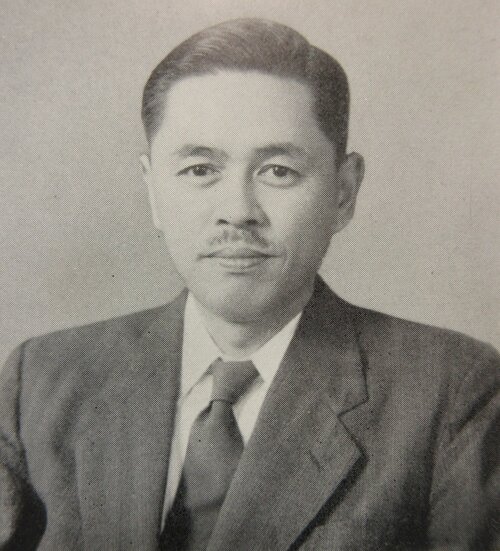
Father of the Toyota Production System
1912-1990
Japanese industrial engineer who developed the Toyota Production System, the foundation of Lean manufacturing. His innovations in just-in-time production and waste elimination revolutionized manufacturing globally.
Wikimedia Commons, CC BY-SA 4.0
Having no problems is the biggest problem of all.
- Taiichi Ohno, Toyota Production System
This one bent my brain when I first encountered it. No problems? Great, right? Wrong.
Ohno saw problems as kaizen opportunities in disguise. If you think everything is fine, either you are not looking closely enough, or your standards are too low. Productive organizations actively hunt for friction. They want to find the waste. They want to see the bottleneck.
At Tallyfy, we have observed that the teams who improve fastest are the ones who are uncomfortable with their current processes. Contentment is the enemy of improvement.
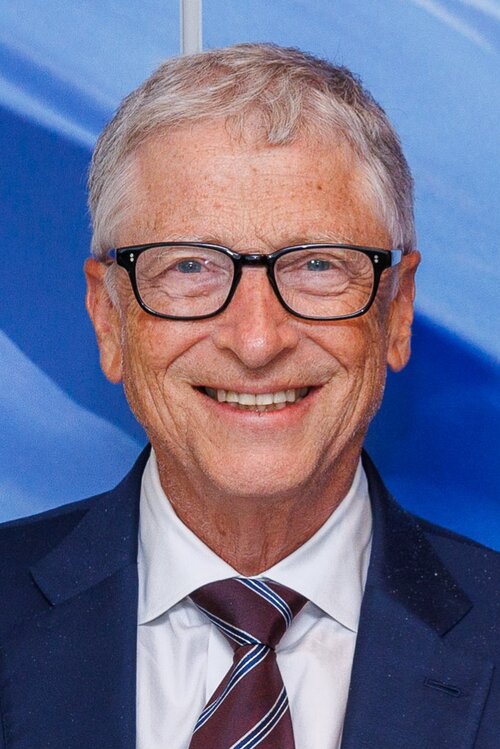
Co-founder of Microsoft
1955-present
American business magnate who co-founded Microsoft and led it to become the world's largest PC software company. Now focused on philanthropy, his insights on automation and technology adoption remain influential.
DFID - UK Department for International Development, CC BY 2.0, via Wikimedia Commons
Most people overestimate what they can do in one year and underestimate what they can do in ten years.
- Bill Gates
This quote gets shared everywhere, and its attribution is debated. But the insight is solid regardless of who said it first.
Short-term overestimation creates panic sprints, burnout, and abandoned initiatives. Long-term underestimation creates complacency and tiny ambitions.
The most productive approach sits in the middle: patient urgency.
Do meaningful work today, but think in decades.
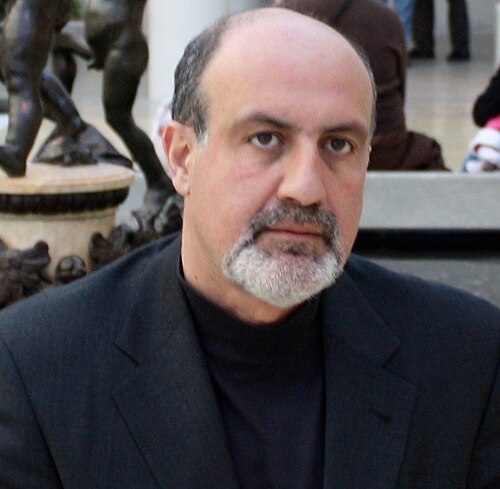
Author of The Black Swan & Antifragile
1960-present
Lebanese-American essayist and risk analyst whose books on uncertainty and randomness have influenced fields from finance to medicine. His concepts of 'Black Swans' and 'Antifragility' provide frameworks for building systems that benefit from disorder.
Bloomberg, Fair use for educational purposes
It is not that we have a short time to live, but that we waste a great deal of it.
- Seneca, On the Shortness of Life (49 AD)
Two thousand years old and still the sharpest observation about productivity anyone has made. Seneca was writing to people who complained about not having enough time. His response? You have plenty of time. You just squander it.
“No activity can be successfully pursued by an individual who is preoccupied,” he wrote. Preoccupied. Not busy. Preoccupied - mentally elsewhere, scattered, unfocused. That is the modern knowledge worker in three words.
Author of The Black Swan & Antifragile
1960-present
Lebanese-American essayist and risk analyst whose books on uncertainty and randomness have influenced fields from finance to medicine. His concepts of 'Black Swans' and 'Antifragility' provide frameworks for building systems that benefit from disorder.
Bloomberg, Fair use for educational purposes
The three most harmful addictions are heroin, carbohydrates, and a monthly salary.
- Nassim Nicholas Taleb, The Bed of Procrustes (2010)
This is provocative on purpose. Taleb is not anti-employment. He is anti-complacency. The monthly salary creates a predictable rhythm that can kill urgency. You stop asking “is this the best use of my time?” because the paycheck arrives regardless.
For teams inside organizations, the lesson is different but related. Predictable processes can breed autopilot behavior. You go through the motions. The meetings happen. The reports get filed. But is anyone asking whether those meetings and reports actually produce value?
What sticks after reading all of this
After spending years building workflow tools and talking to operations teams about how they actually get work done, some patterns are painfully consistent:
Direction trumps speed. Drucker and Deming both said it from different angles. Know what to do before you do it. Eliminate the unnecessary before optimizing the necessary. To be fair, that is harder than it sounds. Most teams skip this step and wonder why they’re busy but not productive.
Systems, not heroics. James Clear nailed this. You don’t need a better morning routine. You need workflows that make the right action the default action. At Tallyfy, this is the core of everything we build - make the right process the easy process.
Saying no is a skill. Buffett, McKeown, Naval - they all converge on the same truth. Your productivity ceiling is not set by how fast you work. It is set by how well you filter what reaches your desk in the first place.
Comfort is a trap. Ohno, Dalio, Taleb - all warning against the same thing. When you stop noticing problems, when pain does not trigger reflection, when your salary arrives regardless of output - that is when productivity dies quietly.
Purpose fuels output. Sinek’s stress-vs-passion framing is not soft advice. It is a structural observation. Misaligned work drains energy. Aligned work generates it. No productivity system compensates for a fundamental misalignment between what you do and why you do it.
These are not abstract ideas. They are patterns I have watched play out in hundreds of conversations about how teams operate. The quotes are nice on a poster. The real test is whether they change what you do tomorrow morning.
Because productivity is not about doing more. It’s about doing what matters. And the gap between those two things is where most organizations lose.
About the Author
Amit is the CEO of Tallyfy. He is a workflow expert and specializes in process automation and the next generation of business process management in the post-flowchart age. He has decades of consulting experience in task and workflow automation, continuous improvement (all the flavors) and AI-driven workflows for small and large companies. Amit did a Computer Science degree at the University of Bath and moved from the UK to St. Louis, MO in 2014. He loves watching American robins and their nesting behaviors!
Follow Amit on his website, LinkedIn, Facebook, Reddit, X (Twitter) or YouTube.

Automate your workflows with Tallyfy
Stop chasing status updates. Track and automate your processes in one place.