
22 efficiency quotes that cut through the noise
Most efficiency advice is recycled productivity tips in a business suit. These 22 quotes from Peter Drucker, W. Edwards Deming, and others who ran factories and redesigned systems tell you what actually works.
Efficiency isn’t about working harder. It’s about removing the things that slow you down. Here’s how Tallyfy approaches that in practice.
Workflow Automation Software Made Easy & Simple
Summary
- Efficiency is subtraction, not addition - Peter Drucker said it best: there’s nothing so useless as doing efficiently that which shouldn’t be done at all. Cut the waste before you speed up the work.
- Systems beat willpower every time - W. Edwards Deming proved that 85% of inefficiency comes from the system, not the people. Stop blaming workers for broken processes.
- Busy isn’t the same as productive - Tim Ferriss, Greg McKeown, and others all point to the same truth: doing more things faster isn’t efficiency. Doing fewer things that matter is.
- AI makes process design more urgent, not less - Everyone’s racing to automate with AI agents, but automating a chaotic process just creates faster chaos. Define workflows first. See how Tallyfy streamlines operations
Efficiency has become one of those words people throw around without thinking about what it means. Honestly, every vendor promises to make you more efficient. Consultants all have a framework. Every LinkedIn post has a hack.
Most of it is noise.
Real efficiency isn’t about cramming more tasks into the same hours. It’s about eliminating tasks that shouldn’t exist. It’s about designing systems where work flows without friction, where handoffs happen automatically, and where people spend their energy on problems that require a human brain.
In our experience building workflow tools at Tallyfy, we’ve seen a consistent pattern across hundreds of implementations: the most efficient organizations aren’t the ones with the most tools. They’re the ones with the clearest processes. The ones where everyone knows what happens next. Where nobody has to chase status updates or dig through email threads to figure out whose turn it is.
That clarity is what these quotes point to. Not motivational fluff. Real insights from people who ran factories, built companies, and spent decades studying how work actually gets done.
Cutting waste before speeding things up
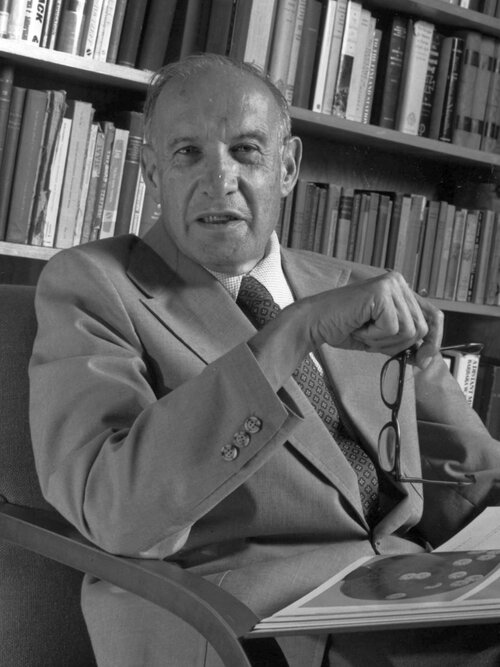
Management Consultant & Author
1909-2005
Austrian-American management consultant widely regarded as the father of modern management. His writings on management theory influenced business practices across the world and helped establish management as a legitimate discipline.
Jeff McNeill, CC BY-SA 2.0, via Wikimedia Commons
“There is nothing so useless as doing efficiently that which should not be done at all.”
- Peter Drucker
This is probably the most important sentence ever written about efficiency. Before you optimize a single step, ask whether that step should exist. I’ve watched companies spend months automating approval chains with six layers of sign-off that nobody reads. They made the waste faster. Brilliant.
The question isn’t “how do we do this better?” It’s “should we be doing this at all?” Most efficiency projects skip this question entirely, and that’s why they produce faster versions of processes that should have been deleted.
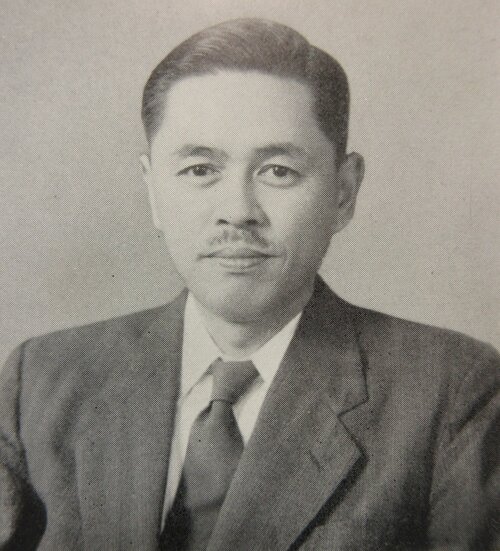
Father of the Toyota Production System
1912-1990
Japanese industrial engineer who developed the Toyota Production System, the foundation of Lean manufacturing. His innovations in just-in-time production and waste elimination revolutionized manufacturing globally.
Wikimedia Commons, CC BY-SA 4.0
“The most dangerous kind of waste is the waste we do not recognize.”
- Taiichi Ohno
Ohno spent his career at Toyota hunting waste that hid in plain sight. Overproduction. Waiting. Unnecessary motion. Excess inventory. These forms of waste looked like normal work to everyone else. His genius was seeing them for what they were.
The same applies to office work. Turns out, those status meetings where nothing gets decided? Waste. The email chains that loop in twelve people who don’t need to be there? Waste. The report nobody reads but everybody produces because “we’ve always done it?” Waste. You can’t fix what you refuse to see. And most organizations have gotten so used to their waste that it’s invisible.

Creator of Theory of Constraints
1947-2011
Israeli business management guru who developed the Theory of Constraints. His novel 'The Goal' became one of the best-selling business books ever, teaching constraint management through storytelling.
Wikimedia Commons, CC BY-SA 3.0
“An hour lost at a bottleneck is an hour lost for the entire system.”
- Eliyahu Goldratt, The Goal (1984)
Goldratt’s constraint theory is brutally simple. Your entire system is only as fast as its slowest point. Speeding up non-bottleneck steps is a waste of effort. It’s like widening a highway everywhere except the one-lane bridge in the middle. Traffic still backs up at the bridge. Everything else is cosmetic.
Talking to operations teams, this is the mistake we see most often. They optimize the easy steps instead of the constraining ones. Output stays flat. Frustration stays high. And the real bottleneck sits there unchanged, limiting everything downstream.
“Efficiency is doing better what is already being done.”
- Peter Drucker
Drucker draws a sharp line between efficiency and effectiveness. Efficiency is doing things right. Effectiveness is doing the right things. You need both, but effectiveness comes first. Perfecting the wrong process is an expensive way to go nowhere. I think about this every time someone asks us to automate a workflow they’ve never questioned.
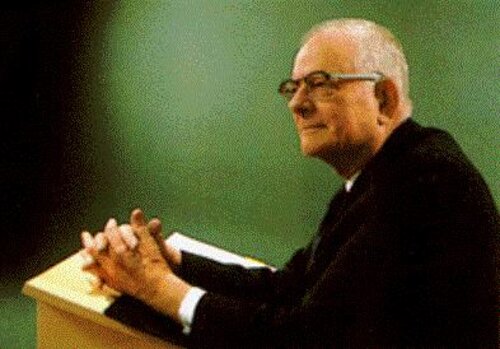
Statistician & Quality Management Pioneer
1900-1993
American engineer, statistician, and management consultant who taught Japanese manufacturers post-WWII quality methods. His 14 Points for Management and concept that 85% of problems are systemic transformed manufacturing worldwide.
Public domain, via Wikimedia Commons
“It is not enough to do your best; you must know what to do, and then do your best.”
- W. Edwards Deming
Effort without direction is just motion. Deming saw factories full of hardworking people producing defective products because nobody had designed the system correctly. Their effort was real. Their output was garbage. The gap between effort and results was entirely a system design problem.
That’s why process documentation matters. Not as bureaucratic overhead, but as the difference between effort that produces results and effort that produces noise. The most dangerous thing in an organization might be a hardworking person running full speed in the wrong direction.
Systems thinking over individual heroics
Statistician & Quality Management Pioneer
1900-1993
American engineer, statistician, and management consultant who taught Japanese manufacturers post-WWII quality methods. His 14 Points for Management and concept that 85% of problems are systemic transformed manufacturing worldwide.
Public domain, via Wikimedia Commons
“A bad system will beat a good person every time.”
- W. Edwards Deming
Hire the most talented people alive. Put them in a broken system. Watch them fail. This isn’t a theory. Deming proved it across thousands of manufacturing plants. The statistical evidence is overwhelming.
The same messy pattern shows up in every industry. A company blames their support team for slow response times. Then you look at the system: tickets bounce between three departments with no clear ownership, knowledge is scattered across five tools, escalation paths are undefined, and half the team is waiting on information that should have been collected up front. The people aren’t the problem. The system is. But it’s always easier to blame people than to redesign systems, which is why most organizations keep doing it.
“Efficiency is doing things right. Effectiveness is doing the right things.”
- Peter Drucker
I keep coming back to this distinction because most efficiency projects get it backwards. They start by making existing processes faster without questioning whether those processes should exist. At Tallyfy, we learned early that the first step is always visibility. Show people their process. Let them see the waste. Let them discover for themselves which steps add value and which ones are organizational scar tissue from a problem that was fixed years ago. Then improve what’s left.
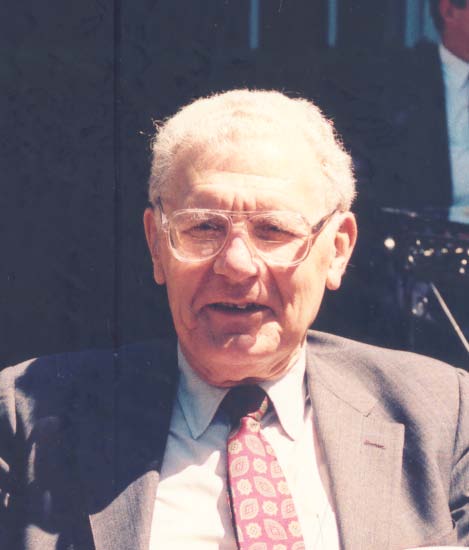
Pioneer of Systems Thinking in Management
1919-2009
American organizational theorist and pioneer of operations research who championed systems thinking in business. His critique of 'doing the wrong thing righter' and emphasis on dissolving rather than solving problems influenced generations of management thinkers.
Wharton School, Fair use for educational purposes
“The righter we do the wrong thing, the wronger we become.”
- Russell Ackoff
Ackoff was a systems thinker who spent decades warning organizations about this trap. When you invest in perfecting the wrong approach, you become more committed to it. The sunk cost grows. The political capital spent on it makes change harder. And the gap between what you’re doing and what you should be doing gets wider with every optimization.
I’ve seen this play out with enterprise software rollouts more times than I can count. A company picks the wrong tool, spends a year customizing it, and then doubles down when it doesn’t work because they’ve already invested too much to switch. The investment in the wrong direction becomes the reason they can’t change direction.
That’s why we push process improvement over process acceleration. Fix the direction first. Then speed up.

Systems Scientist & Author
1941-2001
American environmental scientist and systems analyst, lead author of 'The Limits to Growth.' Her work on systems thinking, particularly 'Thinking in Systems,' provides essential frameworks for understanding how complex organizations and processes actually behave.
Sustainability Institute, CC BY-SA 4.0, via Wikimedia Commons
“Remember, always, that everything you know, and everything everyone knows, is only a model.”
- Donella Meadows, Thinking in Systems (2008)
Meadows reminds us that our understanding of how work flows is always incomplete. The process map isn’t the process. The workflow diagram is a simplification. Real work is messier than any model suggests.
This humility matters for efficiency. If you treat your process model as gospel, you’ll miss the informal workarounds, the tribal knowledge, the shortcuts that people developed because the official process doesn’t work. The people on the ground always know things that the diagram doesn’t show. Efficiency starts with accepting that your model might be wrong, then talking to the people who actually do the work to find out where.
Discipline of doing less

Author of Essentialism
1977-present
British author and business strategist whose book 'Essentialism: The Disciplined Pursuit of Less' challenges the assumption that we can do it all. His framework helps leaders focus on what truly matters by systematically eliminating the trivial many.
Entrepreneur, CC BY 3.0, via Wikimedia Commons
“If you don’t prioritize your life, someone else will.”
- Greg McKeown, Essentialism (2014)
McKeown’s point extends beyond personal productivity. If your team doesn’t prioritize ruthlessly, the organization will fill every minute with meetings, reports, and initiatives that sound important but produce nothing. True efficiency is the discipline of saying no to almost everything so you can say yes to what matters.
In our experience with productivity tools, the teams that perform best aren’t using the most apps. They’re using the fewest. They picked one system and committed to it. The teams drowning in productivity tools have accidentally created a meta-problem: they’re now spending time managing tools instead of doing work.

Author of The 4-Hour Workweek
1977-present
American entrepreneur, author, and podcaster known for deconstructing world-class performers. His '4-Hour' book series challenged conventional wisdom about work, and his systematic approach to skill acquisition and lifestyle design has influenced millions.
TechCrunch, CC BY 2.0, via Wikimedia Commons
“Being busy is a form of laziness - lazy thinking and indiscriminate action.”
- Tim Ferriss, The 4-Hour Workweek (2007)
This one stings because it’s true. Filling your day with tasks feels productive. Checking things off a list releases dopamine. But busyness without direction is just organized chaos. It’s the professional equivalent of rearranging deck chairs.
Ferriss is blunt about it: if you’re busy all day and nothing important gets done, you’re not efficient. You’re avoiding the hard work of deciding what actually matters. Then doing only that. The decision about what not to do is harder and more valuable than any productivity technique for doing more.

CEO of Berkshire Hathaway
1930-present
American investor and CEO of Berkshire Hathaway, widely regarded as one of the most successful investors in history. Known for his long-term value investing philosophy and candid shareholder letters on business principles.
Mark Hirschey, CC BY-SA 2.0, via Wikimedia Commons
“The difference between successful people and really successful people is that really successful people say no to almost everything.”
- Warren Buffett
Buffett runs one of the largest companies in history and reads most of the day. No back-to-back meetings. No packed calendar. Zero hustle culture. He protects his time ruthlessly and focuses on the decisions that move the needle most.
That’s efficiency at scale. Not doing more. Doing far less, but getting the selection right. Most of us think we need to add something to become more efficient. Buffett’s entire career suggests we need to remove things instead.

Entrepreneur & Angel Investor
1974-present
Indian-American entrepreneur who co-founded AngelList and has invested in over 200 companies including Twitter, Uber, and Notion. His philosophical approach to wealth, happiness, and leverage has influenced a generation of entrepreneurs and knowledge workers.
Christopher Michel, CC BY 2.0, via Wikimedia Commons
“Set up systems, not goals.”
- Naval Ravikant
Goals are outcomes you hope for. Systems are processes that run regardless of motivation. Naval’s point is that the person with a better system will outperform the person with a better goal every single time. Goals depend on willpower. Systems run on structure. Sounds like a no-brainer, but most teams still chase goals.
Tallyfy was built around this exact insight. around repeatable workflows rather than task lists. A task list is a goal tracker. A workflow is a system. The workflow runs whether you feel motivated or not. It doesn’t care about your mood. It just works. And that reliability is worth more than any amount of ambition without process.
“Perfection is achieved, not when there is nothing more to add, but when there is nothing left to take away.”
- Antoine de Saint-Exupery
Saint-Exupery was an aviator and writer, not a business consultant. But this principle is the foundation of lean thinking. The most efficient process is the one with the fewest steps that still produces the desired outcome. Every extra step is a place where delays hide, errors creep in, and people get confused.
Subtract before you add. Always.
Making efficiency stick through automation and persistence
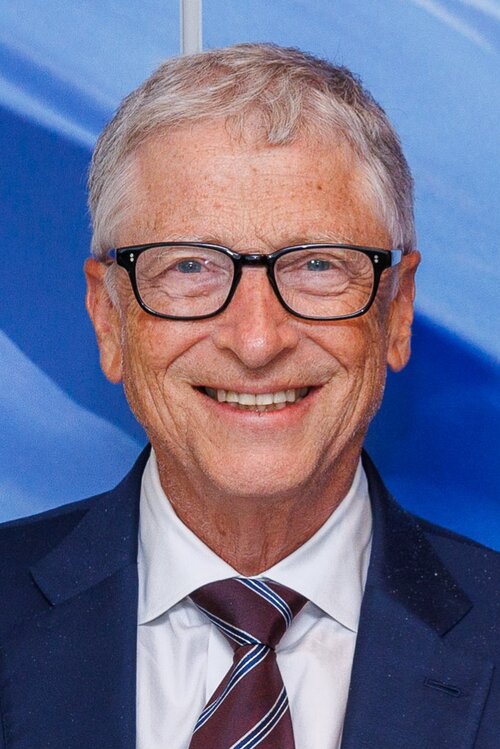
Co-founder of Microsoft
1955-present
American business magnate who co-founded Microsoft and led it to become the world's largest PC software company. Now focused on philanthropy, his insights on automation and technology adoption remain influential.
DFID - UK Department for International Development, CC BY 2.0, via Wikimedia Commons
“The first rule of any technology used in a business is that automation applied to an efficient operation will magnify the efficiency. The second is that automation applied to an inefficient operation will magnify the inefficiency.”
- Bill Gates
Gates isn’t saying “don’t automate.” He’s saying “fix the process first.” Can you skip that step? No. This distinction matters more than ever now that AI agents are entering the picture. Workflow automation amplifies whatever it touches. If the underlying process is clean, automation makes it faster. If it’s a mess, automation makes it a faster mess.
We see this constantly at Tallyfy. Someone wants to automate their broken onboarding process with AI. The AI faithfully replicates every broken handoff, every unnecessary approval, every redundant data entry step. At machine speed. The mess doesn’t go away. It just moves faster. Fix the process first. Then automate what’s left.

CEO of Microsoft
1967-present
Indian-American CEO of Microsoft since 2014, credited with transforming the company's culture from competitive infighting to collaborative growth mindset. His leadership tripled Microsoft's market value.
Microsoft, CC BY-SA 4.0, via Wikimedia Commons
“Our industry does not respect tradition. What it respects is innovation.”
- Satya Nadella
Nadella turned Microsoft around by challenging assumptions about how the company operated. The processes that built Windows weren’t the processes that would build Azure. Efficiency meant letting go of what used to work.
This is the hardest part of efficiency for established organizations. The process that made you successful five years ago might be the process that’s holding you back now. Deloitte’s research on digital transformation consistently finds that companies clinging to legacy processes, not legacy technology, struggle the most. The technology is easy to swap out. The habits built around old processes are the real obstacle.
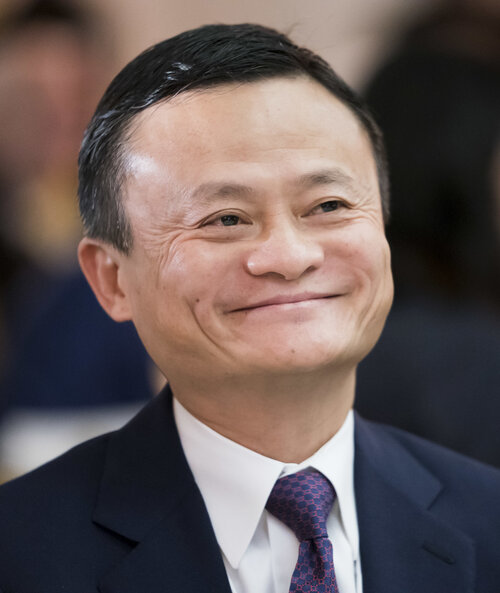
Co-founder of Alibaba Group
1964-present
Chinese entrepreneur who co-founded Alibaba Group, becoming one of the world's largest e-commerce companies. His insights on technology enabling rather than replacing human work shaped digital transformation thinking in Asia.
World Economic Forum, CC BY 2.0, via Wikimedia Commons
“If you don’t give up, you still have a chance. Giving up is the greatest failure.”
- Jack Ma
Ma built Alibaba in a market where everyone said e-commerce couldn’t work in China. His stubbornness was strategic, not emotional. Efficiency isn’t just about cutting waste. Sometimes it’s about persisting with a better approach when everyone around you is retreating to the old way because it feels safer.
Process change faces the same resistance. People will push back. They’ll cling to familiar workflows even when those workflows are demonstrably slower. The old way is comfortable. The new way is uncertain. Persistence isn’t glamorous, but it’s part of the efficiency equation that most quotes collections ignore.
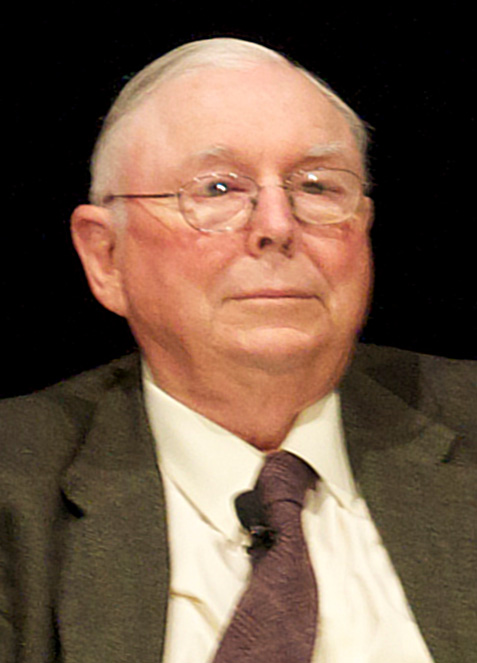
Vice Chairman of Berkshire Hathaway
1924-2023
American businessman and investor who was Warren Buffett's partner at Berkshire Hathaway. Known for his mental models approach to decision-making and his emphasis on multidisciplinary thinking to avoid cognitive biases.
Nick Webb, CC BY 2.0, via Wikimedia Commons
“Invert, always invert.”
- Charlie Munger
Munger borrowed this from the mathematician Carl Jacobi, and he applied it to everything. Instead of asking “how do I become more efficient?” ask “what makes me inefficient?” Then remove those things.
This inversion is powerful because it changes your perspective entirely. Most people chase new tools and techniques to get more done. The bigger gains usually come from identifying and eliminating what slows you down. The pointless meeting. The redundant report. The approval step that adds no value. The weekly sync that could’ve been an async update. Kill those first. You’ll be shocked at how much time you recover.
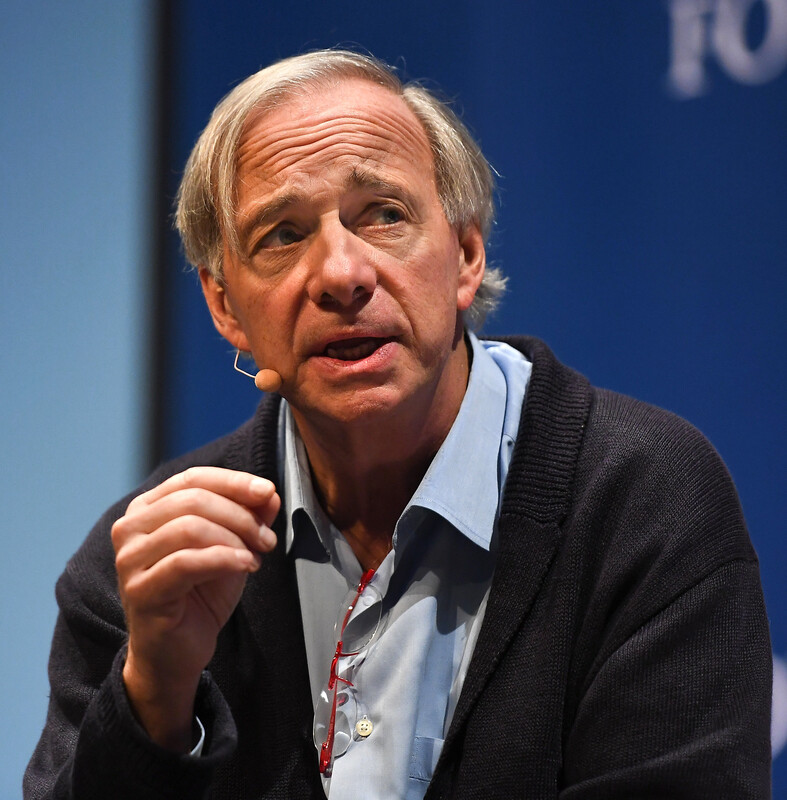
Founder of Bridgewater Associates
1949-present
American billionaire investor who founded Bridgewater Associates, the world's largest hedge fund. His 'Principles' for work and life, emphasizing radical transparency and systematic decision-making, have become influential in organizational management.
World Economic Forum, CC BY-SA 2.0, via Wikimedia Commons
“Pain plus reflection equals progress.”
- Ray Dalio, Principles (2017)
Dalio built Bridgewater Associates into the world’s largest hedge fund by treating every failure as data. Not something to hide. Not something to punish. Something to analyze. His radical transparency approach meant that problems were surfaced immediately, discussed openly, and resolved systematically.
Efficiency improves the same way. When a process breaks, that’s information. The question is whether your organization treats breakdowns as learning opportunities or as things to cover up. Feedback we’ve received from operations leaders suggests most companies still lean toward covering up, because admitting process failures feels like admitting personal failure. That instinct is understandable. It’s also expensive.
The human side that metrics miss
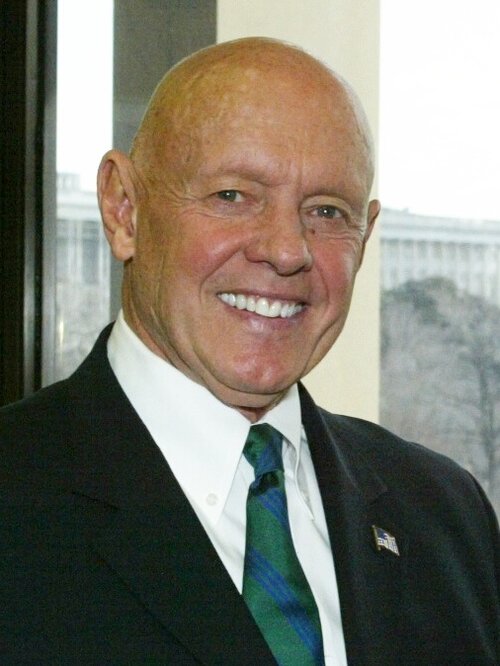
Author of The 7 Habits of Highly Effective People
1932-2012
American educator and author whose book 'The 7 Habits of Highly Effective People' sold over 40 million copies. His time management matrix distinguishing urgent from important work remains foundational to productivity thinking.
US Navy, Public domain, via Wikimedia Commons
“The key is not to prioritize what’s on your schedule, but to schedule your priorities.”
- Stephen Covey, The 7 Habits of Highly Effective People (1989)
Covey’s urgent-versus-important matrix remains one of the most useful tools ever created for thinking about efficiency. Most people spend their days reacting to whatever feels urgent. Email. Slack messages. Calendar invites. The important work - the work that actually moves things forward - gets pushed to “later.” And later never comes because something urgent always shows up.
Efficient organizations design their workflows to protect important work from urgent interruptions. They batch notifications. Focused work blocks protect deep thinking time. They stop letting the inbox dictate the day. That’s a design decision, not a discipline problem.
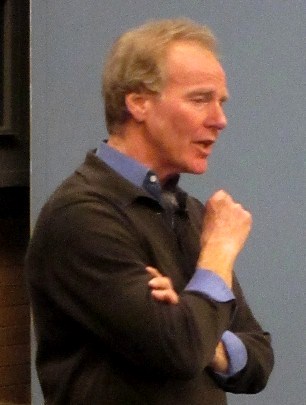
Author of The Fifth Discipline
1947-present
American systems scientist and senior lecturer at MIT Sloan School of Management. His book 'The Fifth Discipline' introduced the concept of the 'learning organization' and systems thinking as essential management disciplines for sustainable success.
MIT Sloan, CC BY-SA 4.0, via Wikimedia Commons
“People don’t resist change. They resist being changed.”
- Peter Senge, The Fifth Discipline (1990)
Any efficiency initiative that ignores the people doing the work is doomed. Full stop. You can design the most elegant process in the history of operations management. If the team wasn’t involved in creating it, they’ll find ways around it. Shadow processes in spreadsheets. Workarounds via email. The old way, just hidden from management view.
We learned this the hard way at Tallyfy. The implementations that stick are the ones where the people who actually run the process had a hand in designing the workflow. They know where the friction is. They know which steps are theater and which ones matter. Involvement isn’t a nice-to-have. It’s the whole game.
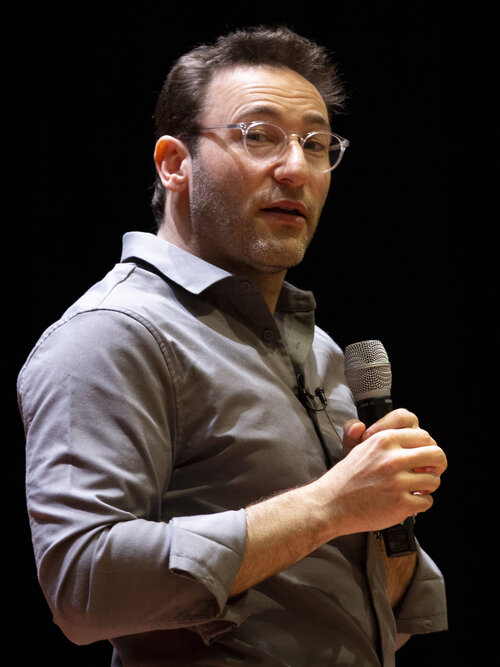
Author of Start With Why
1973-present
British-American author and motivational speaker best known for his concept of 'The Golden Circle' and the idea that great leaders 'start with why.' His TED talk is among the most-watched of all time.
US Marine Corps, Public domain, via Wikimedia Commons
“Working hard for something we don’t care about is called stress. Working hard for something we love is called passion.”
- Simon Sinek
Sinek points to something that efficiency metrics miss entirely: motivation. A disengaged team running an optimized process will underperform a passionate team running a mediocre one. Efficiency isn’t just about the system. It’s about whether people care enough to make the system work.
That’s why process design should start with purpose. Why does this workflow exist? Who benefits from it? What would happen if we stopped doing it? When people understand the why, the how takes care of itself. When they don’t, no amount of process optimization will save you from the slow rot of disengagement.
What these quotes keep teaching me
After years of building workflow software and having conversations about efficiency with operations teams, some lessons are impossible to ignore:
Subtract before you add. The first question is always “what can we remove?” Not “what tool should we buy?” Not “what feature do we need?” The fastest step is the one that doesn’t exist. The most efficient meeting is the one you canceled.
Design the system, not the motivation. People aren’t lazy. Systems are broken. Fix the system and the people will perform. Blame the people and nothing changes. This is Deming’s core insight, and it’s still being ignored by most organizations decades later.
Busy isn’t efficient. Activity without direction is noise. The most efficient people and teams do fewer things. They just do the right things. And they have the discipline to keep doing fewer things even when the pressure to add more feels overwhelming.
Automation amplifies, it doesn’t fix. This is even more critical now that AI agents are entering the picture. AI runs your process at 10x speed, flaws and all. OK, that’s an oversimplification. Define your workflows before you automate them. This point matters so much that I probably say it ten times a week.
Involve the people who do the work. They know where the waste is. They know what slows them down. Ask them which steps are pointless and they’ll tell you. Skip their input and your efficiency project dies the moment you look away.
These principles are baked into how we built Tallyfy. Not as another tool that adds complexity to your tech stack. As a system that makes work visible, removes friction, and lets people focus on the things that actually matter.
Because efficiency isn’t about doing more. It’s about doing what counts.
About the Author
Amit is the CEO of Tallyfy. He is a workflow expert and specializes in process automation and the next generation of business process management in the post-flowchart age. He has decades of consulting experience in task and workflow automation, continuous improvement (all the flavors) and AI-driven workflows for small and large companies. Amit did a Computer Science degree at the University of Bath and moved from the UK to St. Louis, MO in 2014. He loves watching American robins and their nesting behaviors!
Follow Amit on his website, LinkedIn, Facebook, Reddit, X (Twitter) or YouTube.

Automate your workflows with Tallyfy
Stop chasing status updates. Track and automate your processes in one place.