Summary
- Improvement isn’t an event, it’s a habit - The companies that win don’t have better improvement projects. They have better improvement habits.
- Small changes compound dramatically - One percent better every day is 37.78 times better in a year. The math is relentless.
- Everyone must participate - When improvement is only the job of specialists, you’ve already lost. Make it everyone’s work.
- Perfection is the enemy of progress - Waiting for the perfect solution means accepting the current mess forever. See how Tallyfy enables continuous improvement
Uncomfortable truth about continuous improvement
Everybody loves the idea of continuous improvement. Then reality hits.
The meeting runs long, so the improvement discussion gets skipped. A quarter-end push means putting off the process review. The new initiative takes priority over fixing what already exists.
Continuous improvement sounds easy. Turns out, it’s actually the hardest discipline in business. Not because individual improvements are difficult. Because making improvement a habit requires fighting against everything else that demands your attention.
These quotes capture what genuine continuous improvement looks like. Will reading quotes change anything? Not by itself.
Turning these principles into daily practice requires a system that makes improvement visible and actionable. Tallyfy gives teams the foundation they need to document, track, and continuously refine their processes.
Tallyfy is Process Improvement Made Easy
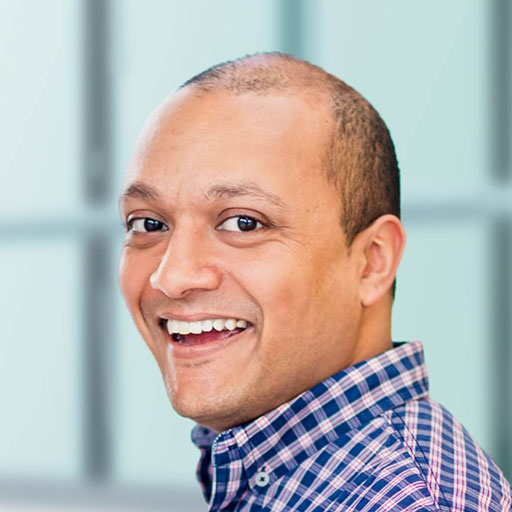
Why Kaizen is more than a buzzword

Founder of Kaizen Institute
1930-present
Japanese organizational theorist who introduced the concept of Kaizen (continuous improvement) to the Western world. His book 'Kaizen: The Key to Japan's Competitive Success' defined the philosophy of incremental, ongoing improvement.
Kaizen Institute, CC BY-SA 4.0, via Wikimedia Commons
The message of the Kaizen strategy is that not a day should go by without some kind of improvement being made somewhere in the company.
- Masaaki Imai, Kaizen: The Key to Japan’s Competitive Success (1986)
Not a day. When I first read this, it seemed impossible. Then I understood what Imai meant.
He isn’t talking about major projects. He’s talking about noticing something wrong and fixing it. Right then. A form that asks for unnecessary information. One step that could be skipped. A handoff that could be clearer. Small things that take minutes to fix but make the next iteration slightly better.
Kaizen means ongoing improvement involving everybody, without spending much money.
- Masaaki Imai
This directly challenges the consulting industrial complex. Improvement doesn’t require six-month engagements and million-dollar projects. It requires a culture where everyone notices problems and fixes them.
The best improvements at Tallyfy come from people doing the work daily. They see what managers miss. They know what’s tedious. And they feel the friction.
Where there is no standard, there can be no kaizen.
- Masaaki Imai
Improvement requires a baseline. Without knowing how things work now, you can’t make them work better. You’re just changing randomly.
This is why documenting processes matters. Not as a bureaucratic exercise. As a foundation for improvement. When you can see the current state, you can see the opportunities.
The Kaizen philosophy assumes that our way of life - be it our working life, our social life, or our home life - deserves to be constantly improved.
- Masaaki Imai
Imai extended Kaizen beyond business. The same mindset applies everywhere. Look for friction. Ask why it exists. Find a better way.
This isn’t about perfectionism. It’s about never accepting that something broken must stay broken. At Tallyfy, we believe this mindset should extend to every process your team touches.
On the discipline of improvement
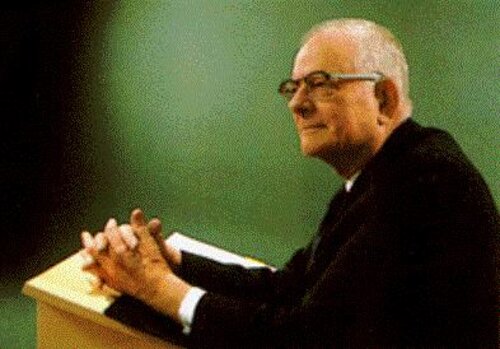
Statistician & Quality Management Pioneer
1900-1993
American engineer, statistician, and management consultant who taught Japanese manufacturers post-WWII quality methods. His 14 Points for Management and concept that 85% of problems are systemic transformed manufacturing worldwide.
Public domain, via Wikimedia Commons
It is not necessary to change. Survival is not mandatory.
- W. Edwards Deming
Deming said this to American manufacturers in the 1980s who resisted his quality methods. His point was blunt: you can keep doing what you’re doing. You just won’t survive.
The companies that thrive treat improvement as non-negotiable. Not a nice-to-have when there’s time. A core function that continues regardless of what else happens.
Learning is not compulsory. Neither is survival.
- W. Edwards Deming
Another version of the same warning. Organizations that stop learning stop improving. Organizations that stop improving start dying.
The half-life of any competitive advantage is shrinking. Brutal, but true. What worked last year may be broken next year. Continuous improvement isn’t optional. It’s survival.
The result of long-term relationships is better and better quality, and lower and lower costs.
- W. Edwards Deming
Deming understood that improvement takes time. Jumping between vendors, systems, and approaches destroys the accumulated learning that makes improvement possible.
We see this with teams using Tallyfy. The ones who commit to continuous improvement for years see compounding benefits. The ones who try something for six months and move on never reach the payoff. What surprised us when we dug into the data on member onboarding at healthcare organizations is that teams standardizing their processes see 4-10x improvements in consistency, but only when they treat the documented workflow as a living baseline for daily refinement.
Improve constantly and forever the system of production and service, to improve quality and productivity, and thus constantly decrease costs.
- W. Edwards Deming (Point 5 of his 14 Points)
This was one of Deming’s 14 Points for Management. Constant improvement. Forever. Not until the initiative ends. Not until the consultant leaves. Forever.
Quality, productivity, and cost are connected. Improve one, and you often improve all three. That’s the thing about continuous improvement. It compounds across dimensions.
On small changes
Compounding is the eighth wonder of the world. He who understands it, earns it. He who doesn’t, pays it.
- Often attributed to Einstein (disputed)
Whether Einstein said it or not, the principle applies directly to continuous improvement. Small improvements compound. A 1% improvement each day leads to being 37.78 times better in a year.
The math is relentless. Tiny improvements, consistently made, produce dramatic results. Dramatic improvements, made once and forgotten? They produce nothing.
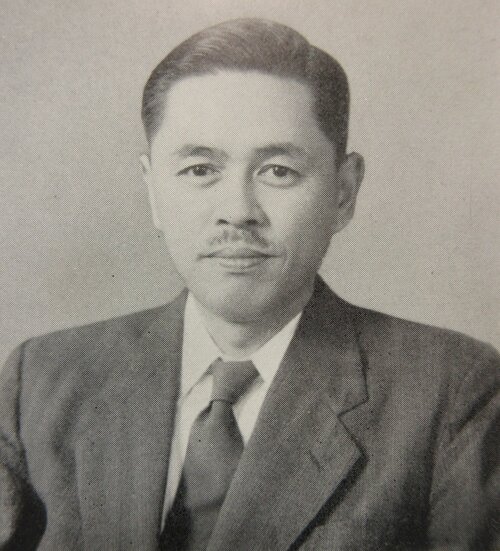
Father of the Toyota Production System
1912-1990
Japanese industrial engineer who developed the Toyota Production System, the foundation of Lean manufacturing. His innovations in just-in-time production and waste elimination revolutionized manufacturing globally.
Wikimedia Commons, CC BY-SA 4.0
Something is wrong if workers do not look around each day, find things that are tedious or boring, and then rewrite the procedures.
- Taiichi Ohno
Ohno expected everyone at Toyota to improve their own work. Not wait for management. Not submit suggestions to a committee. Just fix it.
This requires psychological safety. People won’t improve their work if improving means admitting current work is broken. They need to know that finding problems is celebrated, not punished.
Progress is not achieved by luck or accident, but by working on yourself daily.
- Epictetus (ancient Stoic philosopher)
The Stoics understood continuous improvement two thousand years ago. Excellence isn’t an outcome. It’s a practice. Daily work on yourself and your systems compounds over time.
Excellence is not a singular act, but a habit. You are what you repeatedly do.
- Shaquille O’Neal (paraphrasing Aristotle)
Aristotle’s original was about virtue. Shaq applied it to basketball. It applies equally to operations. You don’t become excellent through occasional bursts. You become excellent through daily practice.
On overcoming resistance
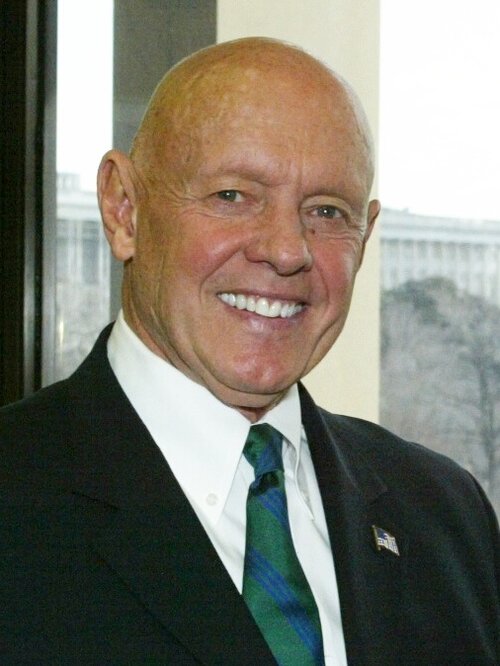
Author of The 7 Habits of Highly Effective People
1932-2012
American educator and author whose book 'The 7 Habits of Highly Effective People' sold over 40 million copies. His time management matrix distinguishing urgent from important work remains foundational to productivity thinking.
US Navy, Public domain, via Wikimedia Commons
Begin with the end in mind.
- Stephen Covey, The 7 Habits of Highly Effective People (1989)
Continuous improvement without direction is just random change. Before improving, know what excellent looks like. What’s the end state you’re improving toward?
This prevents improvement theater. The appearance of improvement without actual progress. Busy motion without advancement.
The main thing is to keep the main thing the main thing.
- Stephen Covey
Improvement efforts fail when they become disconnected from what matters. Focus on the improvements that move the needle, not the ones that are easy or visible.
Most people don’t listen with the intent to understand; they listen with the intent to reply.
- Stephen Covey
Continuous improvement requires listening to the people doing the work. Really listening. Not waiting for them to finish so you can explain why things must stay the same.
The best improvement ideas come from people who do the work every day. They see the problems. They feel the friction. But only if someone actually listens.
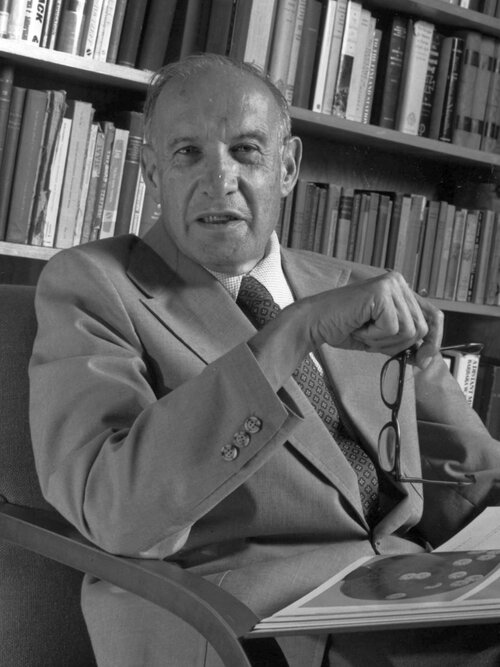
Management Consultant & Author
1909-2005
Austrian-American management consultant widely regarded as the father of modern management. His writings on management theory influenced business practices across the world and helped establish management as a legitimate discipline.
Jeff McNeill, CC BY-SA 2.0, via Wikimedia Commons
There is nothing so useless as doing efficiently that which should not be done at all.
- Peter Drucker
Before improving a process, ask: should this process exist? Sometimes the best improvement is elimination.
We ask this with every Tallyfy implementation. Before we optimize, we question. Many processes exist only because they always have. Remove them, and nothing breaks.
Follow effective action with quiet reflection. From the quiet reflection will come even more effective action.
- Peter Drucker
Continuous improvement requires reflection. Doing more isn’t the same as doing better. Pause. Examine. Learn. Then improve.
Stop improving randomly

Creator of Theory of Constraints
1947-2011
Israeli business management guru who developed the Theory of Constraints. His novel 'The Goal' became one of the best-selling business books ever, teaching constraint management through storytelling.
Wikimedia Commons, CC BY-SA 3.0
An hour lost at a bottleneck is an hour lost for the entire system.
- Eliyahu Goldratt, The Goal (1984)
Not all improvements are equal. Improving a bottleneck improves the whole system. Improving a non-bottleneck may improve nothing.
Find the constraint. Improve that. Then find the next constraint. That’s systematic improvement, not random optimization.
Tell me how you measure me, and I will tell you how I will behave.
- Eliyahu Goldratt
The metrics you choose shape the improvements people pursue. Measure the wrong things, and you’ll improve the wrong things.
Continuous improvement requires thoughtful metrics. What matters? What drives the outcomes you want? Measure that, and improvement will follow.

CEO of Microsoft
1967-present
Indian-American CEO of Microsoft since 2014, credited with transforming the company's culture from competitive infighting to collaborative growth mindset. His leadership tripled Microsoft's market value.
Microsoft, CC BY-SA 4.0, via Wikimedia Commons
Be passionate and bold. Always keep learning. You stop doing useful things if you do not learn.
- Satya Nadella
Learning is the foundation of improvement. When you stop learning, you stop improving. When you stop improving, you start declining.
Nadella transformed Microsoft by making learning central to the culture. The company that Bill Gates built to dominate the 1990s had become stagnant. Learning made it relevant again.
The learn-it-all does better than the know-it-all.
- Satya Nadella
This phrase captures the essence of continuous improvement. The person who thinks they already know everything will never improve. The person who keeps learning never stops improving.
On sustaining improvement
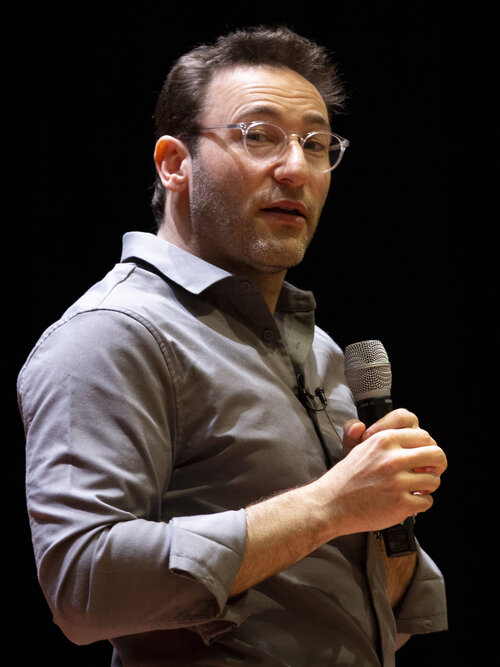
Author of Start With Why
1973-present
British-American author and motivational speaker best known for his concept of 'The Golden Circle' and the idea that great leaders 'start with why.' His TED talk is among the most-watched of all time.
US Marine Corps, Public domain, via Wikimedia Commons
Great companies don’t hire skilled people and motivate them, they hire already motivated people and inspire them.
- Simon Sinek
Continuous improvement requires intrinsic motivation. You can’t force people to improve. Actually, that’s not the whole story. You can only create conditions where improvement happens naturally.
After watching hundreds of teams try this, the pattern is clear: hire people who are bothered by broken processes. Give them authority to fix what they find. The improvement will take care of itself.
The goal is not to be perfect by the end. The goal is to be better today.
- Simon Sinek
This takes the pressure off. You don’t need to achieve perfection. You need to be slightly better than yesterday. Then do it again tomorrow.
Progress, not perfection. Small steps sustained over time beat ambitious leaps that exhaust everyone.
What continuous improvement actually takes
In our conversations with operations leaders at global pharmaceutical companies and regional banks, we’ve heard that the biggest barrier to continuous improvement isn’t lack of ideas but lack of a system to capture and act on those ideas daily.
Make it daily, not periodic. Improvement happens when it’s a habit, not an initiative. Daily small improvements beat annual big projects. Make it everyone’s job. When improvement belongs only to a team or consultant, you get improvement theater. When everyone improves their own work, you get real progress.
Create psychological safety. People won’t report problems if reporting problems gets punished. Celebrate problem-finding. Start with standards. You can’t improve chaos. Document how things work before trying to make them work better. Measure what matters. The improvements that get measured are the improvements that happen. Choose metrics carefully. Never finish. There’s no end state. There’s only today being slightly better than yesterday, forever.
These principles shaped how we built Tallyfy. Not as a one-time implementation. As a system where improvement is built into daily work.
Because the goal isn’t to complete an improvement project. The goal is to create an organization that never stops getting better.
