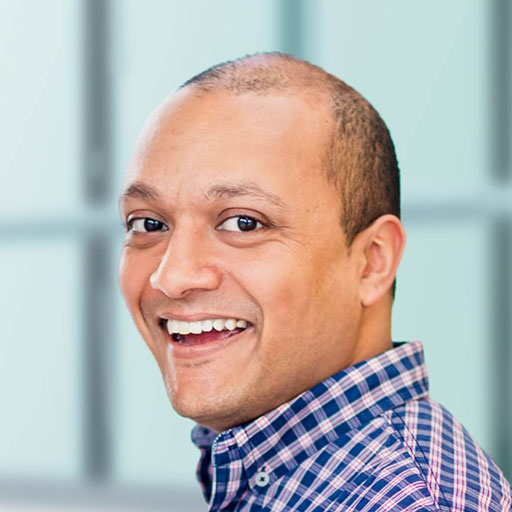
21 change management quotes that cut through the consulting fluff
Change management has become an industry of frameworks and jargon. These quotes from people who actually led transformation reveal what makes change stick.
Summary
- People don’t resist change, they resist being changed - The difference between change that works and change that fails is whether people feel like participants or victims.
- Culture eats strategy for breakfast - The best change plan fails if it conflicts with how people actually behave.
- Change starts with dissatisfaction - Nobody changes unless the pain of staying the same exceeds the pain of changing.
- Sustainable change requires new habits, not announcements - Real transformation happens when new behaviors become automatic. See how Tallyfy embeds change into daily work
Why most change efforts fail
Change management has a dismal track record. Most estimates put the failure rate somewhere between 60% and 80%. Billions spent on transformation programs that transform nothing. The failure isn’t the change itself - it’s how the change is managed. Or more accurately, how it’s mismanaged. Based on feedback from implementations - with financial services (17%), healthcare (11%), and professional services (10%) leading transformation adoption - the patterns are remarkably consistent. I’ve been part of change efforts that worked and many more that failed. The difference is never the framework chosen or the consultants hired. It’s whether the people who need to change are brought along or dragged along. In our conversations with operations leaders, this human element determines outcomes far more than the specific methodology used. One mid-sized business services team achieved $1 million in Year 1 savings and a 75% reduction in headcount - from 65 to 15 people - not through layoffs, but by eliminating redundant work through proper process standardization. The transformation worked because they documented what people actually did before asking anyone to change.
These quotes capture what actually makes change management stick.
Successful change requires more than inspiring words. It requires systems that embed new behaviors into daily work, making the new way the only way.
Tallyfy is Process Improvement Made Easy
On understanding resistance
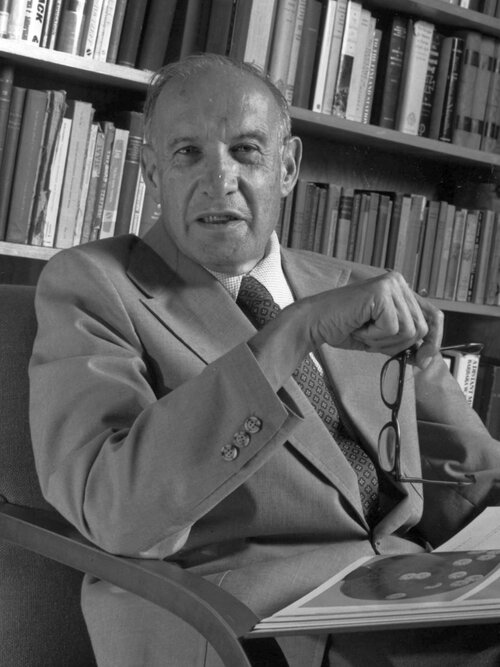
Management Consultant & Author
1909-2005
Austrian-American management consultant widely regarded as the father of modern management. His writings on management theory influenced business practices across the world and helped establish management as a legitimate discipline.
Jeff McNeill, CC BY-SA 2.0, via Wikimedia Commons
Culture eats strategy for breakfast.
- Often attributed to Peter Drucker (source disputed)
Whether Drucker said it or not, the insight is valid. You can design the perfect change strategy. If it conflicts with the culture, the culture wins.
That’s why understanding culture comes before designing change. What do people actually value? How do things really get done? The change that aligns with culture has a chance. The change that fights culture dies.
People don’t resist change. They resist being changed.
- Peter Senge, The Fifth Discipline (1990)
Senge identified the core problem. Impose change on people and they fight it. Involve them in designing the change and they champion it.
The same change, implemented differently, produces opposite results. Process matters.
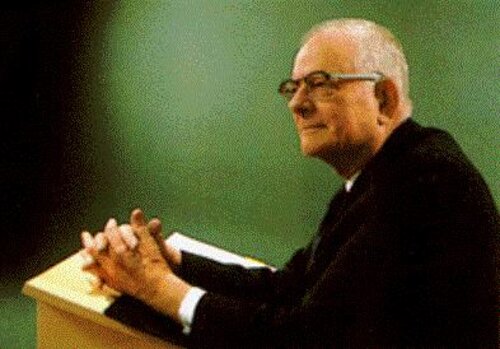
Statistician & Quality Management Pioneer
1900-1993
American engineer, statistician, and management consultant who taught Japanese manufacturers post-WWII quality methods. His 14 Points for Management and concept that 85% of problems are systemic transformed manufacturing worldwide.
Public domain, via Wikimedia Commons
It is not necessary to change. Survival is not mandatory.
- W. Edwards Deming
Deming was blunt with companies that resisted quality improvements. You don’t have to change. You also don’t have to survive. The choice is yours.
Sometimes the best change management is clarity about consequences.
A bad system will beat a good person every time.
- W. Edwards Deming
When change fails, the instinct is to blame people. But people work within systems. If the system doesn’t change, the people can’t sustain different behavior.
At Tallyfy, we’ve seen this play out repeatedly: real change management means changing systems, not just asking people to try harder.
On leading change

CEO of Microsoft
1967-present
Indian-American CEO of Microsoft since 2014, credited with transforming the company's culture from competitive infighting to collaborative growth mindset. His leadership tripled Microsoft's market value.
Microsoft, CC BY-SA 4.0, via Wikimedia Commons
Hit refresh on individual mindset, on company culture, on products.
- Satya Nadella (paraphrased from Hit Refresh, 2017)
Nadella transformed Microsoft from within. His approach wasn’t incremental. It was a fundamental refresh of mindset, culture, and products together.
Half-measures produce half-results. Real change requires full commitment.
The learn-it-all does better than the know-it-all.
- Satya Nadella
Nadella used this phrase to shift Microsoft’s culture. The old culture rewarded appearing smart. The new culture rewards learning. That shift made all other changes possible.
Cultural change enables operational change.
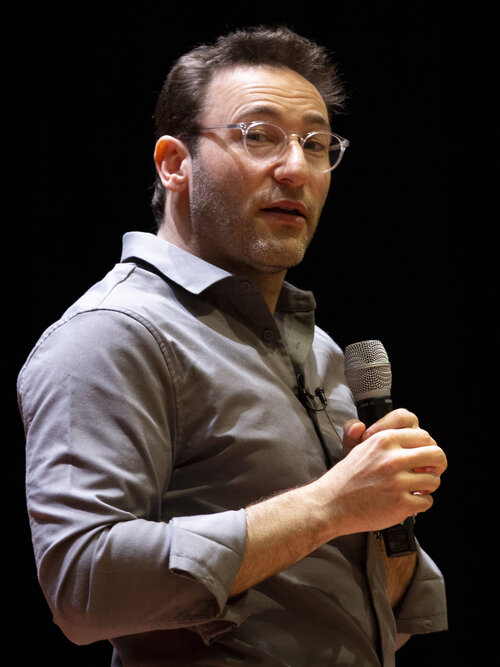
Author of Start With Why
1973-present
British-American author and motivational speaker best known for his concept of 'The Golden Circle' and the idea that great leaders 'start with why.' His TED talk is among the most-watched of all time.
US Marine Corps, Public domain, via Wikimedia Commons
People don’t buy what you do; they buy why you do it.
- Simon Sinek, Start With Why (2009)
Change initiatives that start with what needs to change miss the point. People need to understand why the change matters. Without a compelling why, every change is just arbitrary disruption. I learned this the hard way at Tallyfy - we once rolled out a major product change with a great technical explanation but no story about why it mattered. Adoption was sluggish until we reframed the “why.”
Leadership is not about being in charge. It’s about taking care of those in your charge.
- Simon Sinek
During change, people are vulnerable. They fear for their jobs, their status, their competence. Leaders who take care of their people during change build trust. Leaders who abandon them build resentment.
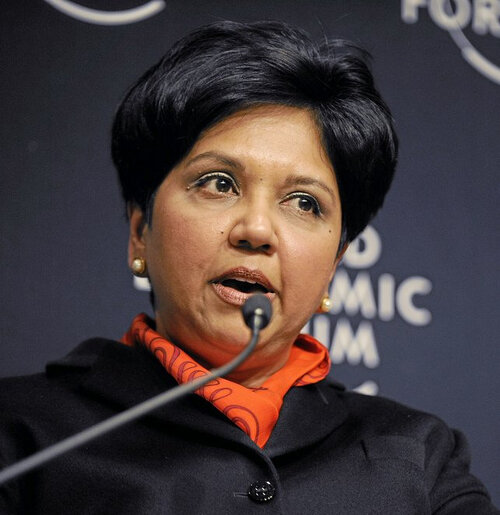
Former CEO of PepsiCo
1955-present
Indian-American businesswoman who served as CEO of PepsiCo from 2006 to 2018. Her 'Performance with Purpose' strategy integrated social responsibility with business performance, demonstrating that values and profits can coexist.
World Economic Forum, CC BY-SA 2.0, via Wikimedia Commons
Just because you are CEO, don’t think you have landed. You must continually increase your learning, the way you think, and the way you approach the organization.
- Indra Nooyi
Leaders who expect others to change while they stay the same create cynicism. Real change leadership means the leader changes first and most visibly. If you won’t change your own habits, why would anyone else bother?
On the mechanics of change
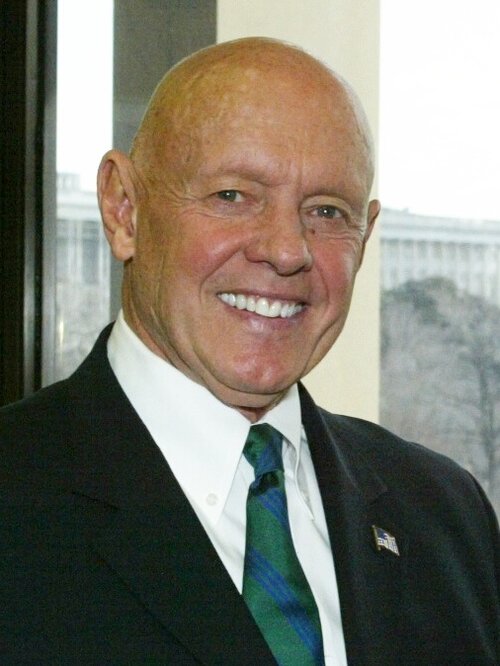
Author of The 7 Habits of Highly Effective People
1932-2012
American educator and author whose book 'The 7 Habits of Highly Effective People' sold over 40 million copies. His time management matrix distinguishing urgent from important work remains foundational to productivity thinking.
US Navy, Public domain, via Wikimedia Commons
Begin with the end in mind.
- Stephen Covey, The 7 Habits of Highly Effective People (1989)
Change without a clear destination is just chaos. Before starting any change effort, define what success looks like. Specifically. Measurably. In terms people can understand. Vague goals like “improve efficiency” don’t cut it.
The main thing is to keep the main thing the main thing.
- Stephen Covey
Change creates distraction. New priorities compete with the change effort. The changes that succeed are the ones that stay focused despite everything else demanding attention.
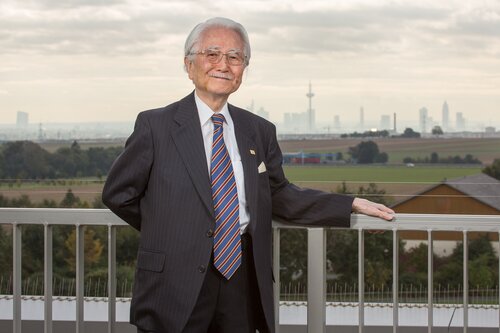
Founder of Kaizen Institute
1930-present
Japanese organizational theorist who introduced the concept of Kaizen (continuous improvement) to the Western world. His book 'Kaizen: The Key to Japan's Competitive Success' defined the philosophy of incremental, ongoing improvement.
Kaizen Institute, CC BY-SA 4.0, via Wikimedia Commons
The message of the Kaizen strategy is that not a day should go by without some kind of improvement being made somewhere in the company.
- Masaaki Imai, Kaizen: The Key to Japan’s Competitive Success (1986)
Big change programs often fail. Small daily changes often succeed. Kaizen treats change as continuous, not episodic. There’s no change initiative because change is always happening.
Where there is no standard, there can be no kaizen.
- Masaaki Imai
Before you can change how things work, you need to know how they work now. Standard processes create baselines. Without baselines, change is just random variation.

Creator of Theory of Constraints
1947-2011
Israeli business management guru who developed the Theory of Constraints. His novel 'The Goal' became one of the best-selling business books ever, teaching constraint management through storytelling.
Wikimedia Commons, CC BY-SA 3.0
Tell me how you measure me, and I will tell you how I will behave.
- Eliyahu Goldratt
Change the behavior you reward, and behavior changes. Announce change while measuring the old way, and nothing changes. Metrics drive behavior more than announcements.
On sustaining change
Management Consultant & Author
1909-2005
Austrian-American management consultant widely regarded as the father of modern management. His writings on management theory influenced business practices across the world and helped establish management as a legitimate discipline.
Jeff McNeill, CC BY-SA 2.0, via Wikimedia Commons
What gets measured gets managed.
- Peter Drucker (often paraphrased; original from The Practice of Management, 1954)
Change that isn’t measured fades. The energy of the initial push dissipates. Old habits return. Measurement keeps change visible and accountable.
Follow effective action with quiet reflection. From the quiet reflection will come even more effective action.
- Peter Drucker
Sustained change requires reflection. What’s working? What isn’t? Change plans need adjustment. Reflection enables learning and course correction.
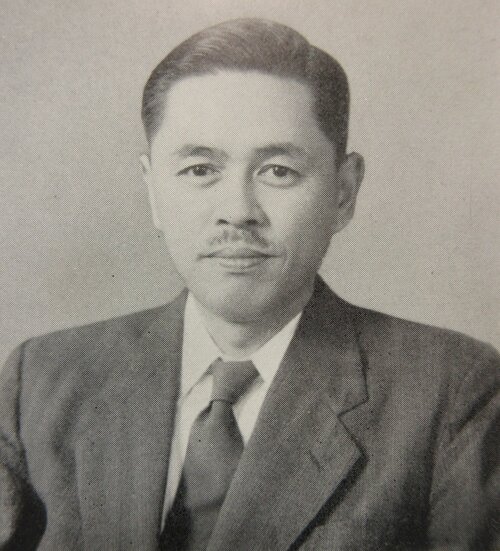
Father of the Toyota Production System
1912-1990
Japanese industrial engineer who developed the Toyota Production System, the foundation of Lean manufacturing. His innovations in just-in-time production and waste elimination revolutionized manufacturing globally.
Wikimedia Commons, CC BY-SA 4.0
Something is wrong if workers do not look around each day, find things that are tedious or boring, and then rewrite the procedures.
- Taiichi Ohno
The best change management creates a culture where change is continuous and comes from everyone. Not top-down transformation initiatives. Ongoing improvement by the people doing the work. That’s the whole point.

CEO of Berkshire Hathaway
1930-present
American investor and CEO of Berkshire Hathaway, widely regarded as one of the most successful investors in history. Known for his long-term value investing philosophy and candid shareholder letters on business principles.
Mark Hirschey, CC BY-SA 2.0, via Wikimedia Commons
Chains of habit are too light to be felt until they are too heavy to be broken.
- Warren Buffett
Old habits resist change invisibly. By the time you notice them, they’re deeply entrenched. Change management must address habits directly, not just policies and procedures.
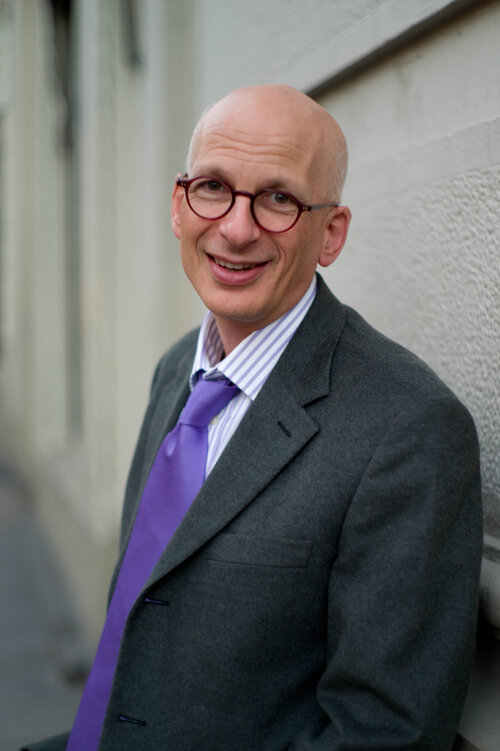
Author & Marketing Thought Leader
1960-present
American author and entrepreneur who has written 21 bestselling books on marketing, leadership, and change. Known for his daily blog and accessible insights on how businesses can thrive by being remarkable.
Joi Ito, CC BY 2.0, via Wikimedia Commons
Change is not a threat, it’s an opportunity. Survival is not the goal, transformative success is.
- Seth Godin
Fear-based change messaging fails. People don’t sustain energy for survival. Frame change as opportunity, and people engage differently.
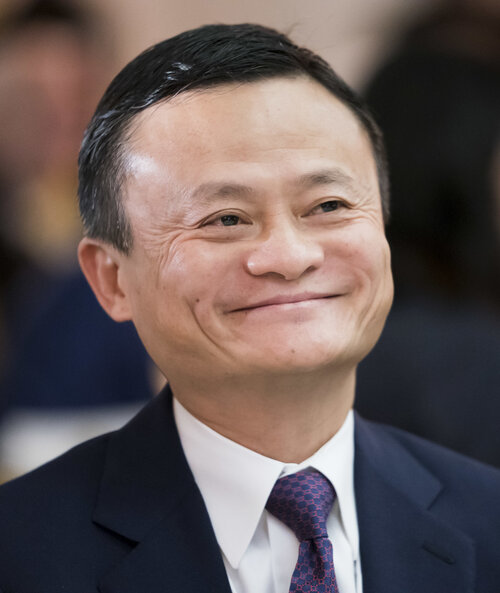
Co-founder of Alibaba Group
1964-present
Chinese entrepreneur who co-founded Alibaba Group, becoming one of the world's largest e-commerce companies. His insights on technology enabling rather than replacing human work shaped digital transformation thinking in Asia.
World Economic Forum, CC BY 2.0, via Wikimedia Commons
Today is hard, tomorrow will be worse, but the day after tomorrow will be sunshine.
- Jack Ma
Change is uncomfortable. Acknowledging the difficulty honestly, while promising better outcomes, builds credibility. Pretending change is easy insults people who are struggling with it.
What makes change actually work
After participating in change efforts that succeeded and many more that failed, the patterns are clear:
Start with why. People need to understand the reason for change before they can commit to it.
Involve, don’t impose. The same change implemented with involvement succeeds where imposed change fails.
Change systems, not just behaviors. People work within systems. Change the system, and behavior follows.
Measure what matters. What you measure signals what you value. Align metrics with the change you want.
Make it continuous. One-time change initiatives fade. Continuous improvement sustains. A mid-sized media production team tripled their revenue while actually improving quality - because they embedded daily process improvements into how work got done, not as a separate initiative.
Acknowledge difficulty. Change is hard. Pretending otherwise creates cynicism. Don’t sugarcoat it.
These principles shaped how we built Tallyfy. Change sticks when it becomes part of how work gets done, not a separate initiative. When processes live in a system that everyone uses daily, the new way becomes the only way.
Because the goal isn’t a change project with a start and end date. The goal is an organization that changes continuously.
About the Author
Amit is the CEO of Tallyfy. He is a workflow expert and specializes in process automation and the next generation of business process management in the post-flowchart age. He has decades of consulting experience in task and workflow automation, continuous improvement (all the flavors) and AI-driven workflows for small and large companies. Amit did a Computer Science degree at the University of Bath and moved from the UK to St. Louis, MO in 2014. He loves watching American robins and their nesting behaviors!
Follow Amit on his website, LinkedIn, Facebook, Reddit, X (Twitter) or YouTube.

Automate your workflows with Tallyfy
Stop chasing status updates. Track and automate your processes in one place.