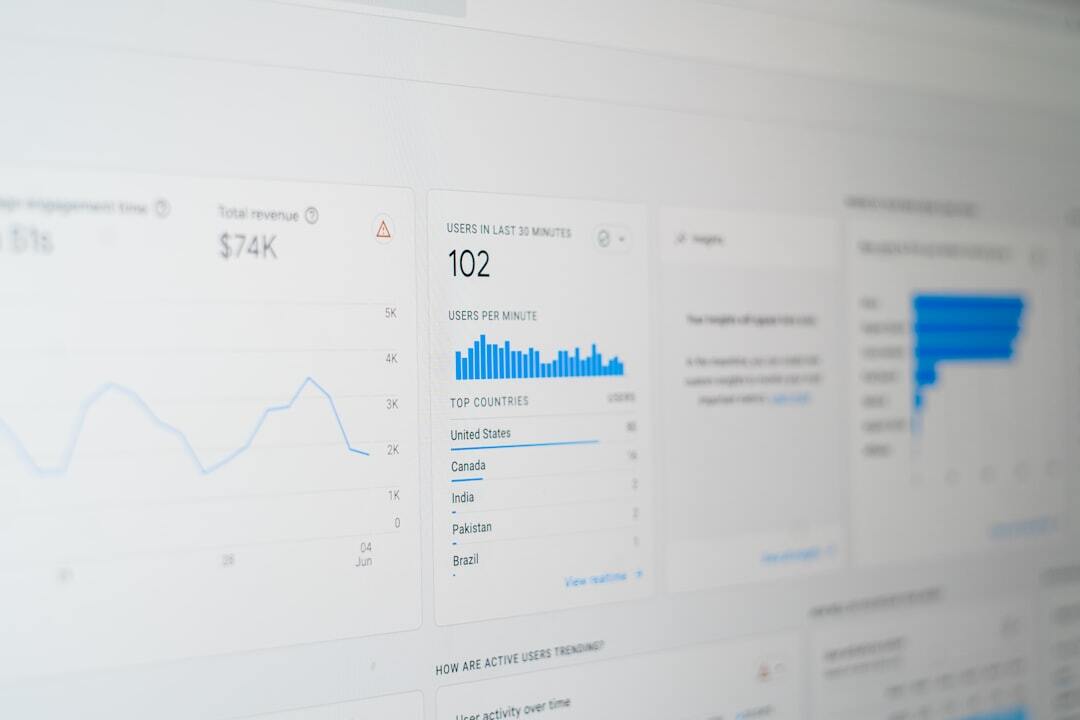

How e-commerce automation saves your online store
E-commerce automation removes repetitive tasks using trigger-condition-action logic so your team can focus on growth. Tallyfy covers 13 proven automation methods for online stores.
Workflows are the unsexy plumbing every company runs on, and most companies run them on a mix of Slack threads, half-remembered tribal knowledge, and email chains nobody can find later. Business process management is the practice of writing those flows down, running them on rails, and improving them over time. The articles in this category cover the full span of that work: from "how do I document a process my team will actually follow" to "how do I automate AP, audit, and onboarding without spending a year on a BPM platform." Tallyfy was built specifically because every other BPM tool we tried treated the user like an SAP consultant. The posts here reflect that bias toward something a department lead can stand up in an afternoon, not a six-month implementation.
E-commerce automation removes repetitive tasks using trigger-condition-action logic so your team can focus on growth. Tallyfy covers 13 proven automation methods for online stores.
Microsoft Power Automate connects to about 1,000 apps with premium plans from $15 per user per month. This review covers where the Power Platform works, its real limitations with flow chaining and debugging, and which alternatives to consider.
Wade Foster's Zapier connects thousands of apps with automated zaps, but its per-zap pricing model is broken. Learn what Zapier does, when it makes sense, and why AI-built integrations are replacing drag-and-drop middleware.
Most SaaS teams drown in dashboards yet miss the metrics that predict survival. Bain and Company found that SaaS companies above the Rule of 40 generate roughly 3x higher returns.
Finding the right customer experience management software can be difficult given the sheer number of tools available. This guide compares 14 platforms including Yotpo, Qualtrics, Zendesk, and Tallyfy, covering NPS tracking, review automation, analytics, and workflow optimization.
Enterprise BPM pricing hides six and seven figure costs behind opaque quotes and consulting fees. Fortune Business Insights projects this market toward 70 billion dollars by the early 2030s.
Swim lane diagrams, refined by Geary Rummler, split a process flowchart into 4 to 12 labeled lanes for each department or role, making it obvious who owns every step and where handoffs happen.
Value chain analysis, first developed by Michael Porter in 1985, breaks every business activity into value-adding and wasteful parts. Nestle used it to cut sugar costs by 34 percent while Starbucks eliminated intermediaries to control quality.
Workflow process mapping turns invisible work into something you can see and fix. Small cross-functional teams of 7 to 10 people, using tools like Draw.io or Tallyfy, uncover bottlenecks that management never knew existed.
Keith Swenson argued BPMN 2.0 became a programming language, not a business tool. Here is how all 12 common BPMN patterns, from sequences and parallel splits to tiered approvals, map to modern workflow tools that normal people can use on any device.
Documented workflows cut onboarding time, prevent knowledge loss, and create the structure AI agents need. Research from Brandon Hall Group shows strong onboarding improves retention by 82 percent.
Business process management software helps organizations track, improve, and automate how work gets done. Traditional BPMS can cost $100,000 to $600,000 while modern cloud tools like Tallyfy start at $15 per user per month.
Most process maps die within a week. We tested 14 process mapping tools from Draw.io to Camunda and found the gap between drawing a diagram and running a workflow is where teams lose. Here is what works.
Green Belts handle data collection and root cause analysis while keeping their day jobs. ASQ and IASSC certify practitioners to achieve the Six Sigma target of just 3.4 defects per million opportunities.
Process excellence means consistent execution with minimal waste and variation. McKinsey research shows standardized processes cut errors by 30 percent. Lean, Kaizen and BPM each take a different path but none work without discipline.
A workflow application automates task handoffs between people so nothing falls through the cracks. MarTech documented one retailer that lost $500,000 in delayed shipments by automating a broken process without fixing it first.
Pick a BPM tool with drag-and-drop design, AI-native integration that bypasses legacy middleware, and pricing that scales without demanding six-figure investments.
Business process integration connects BPM software to other systems so workflows run end-to-end without manual handoffs. Most organizations run dozens of apps, and Tallyfy provides no-code connections to bridge the gaps.
Most workflow apps just move tasks around. Tallyfy, LucidChart, Zapier, and Power Automate each serve different purposes across five categories: process management, automation, task management, communication, and outsourcing.
KYC verification, mandated by the USA Patriot Act and enforced by FinCEN, protects financial institutions from fraud and money laundering. With SAR filings surging 51.8% between 2020 and 2024, repeatable compliance processes are not optional. Process comes first, then automation.
BPMN, UML, flowcharts, and data flow diagrams each serve different business process modeling needs. This guide compares nine techniques from Henry Gantt's original charts to modern Colored Petri Nets.
These workflow examples cover the four universal functions every business needs: onboarding, approvals, forms, and incident response. Tallyfy data shows onboarding workflows appear in over 860 customer conversations.
A process defines what needs to happen. A procedure spells out how to do it. Gartner research shows 60% of AI projects fail without proper process foundations. Confusing these two concepts just automates chaos faster.
A workflow diagram maps your business process visually using standardized symbols traced back to engineers Henry Gantt and Frederick Taylor. Four main types serve different purposes: flowcharts, BPMN, swimlane, and SIPOC diagrams.