
AI quotes from builders, critics and realists
Seventeen quotes on artificial intelligence from Sam Altman, Dario Amodei, Kate Crawford, Andrew Ng and 9 other builders, critics and realists. What AI actually changes for workflows, automation and process design. Not cheerleading or doom. Practical reality from people who build it and study it.
AI is reshaping how we think about workflows, automation and business processes. Here’s how Tallyfy approaches AI-assisted workflow automation.
Workflow Automation Software Made Easy & Simple
Summary
- AI is a multiplier, not a magic wand - Every serious AI thinker agrees on one thing: AI amplifies whatever process it touches. Broken process plus AI equals a faster broken process.
- The optimists and critics are both right - Dario Amodei sees AI compressing a century of medical progress into a decade. Kate Crawford sees extraction and hidden labor. Both perspectives matter for real implementation.
- Process design is the prerequisite - Gartner predicts that at least 30% of generative AI projects get abandoned after proof of concept. The fix isn’t better models. It’s better workflows.
- AI doesn’t fix what you refuse to define - Before adding AI to anything, define the process first. Then automate. See how Tallyfy approaches AI-ready workflows
Optimists who are building it
The people building AI systems tend to see enormous upside. That makes sense. You don’t spend a decade on something you think will fail. But the best builders aren’t blind optimists. They see the risks clearly and build anyway because they believe the upside justifies the effort.
I’m genuinely torn on some of these perspectives. Part of me thinks they’re right. Part of me thinks they’re selling their own product.
Probably both.
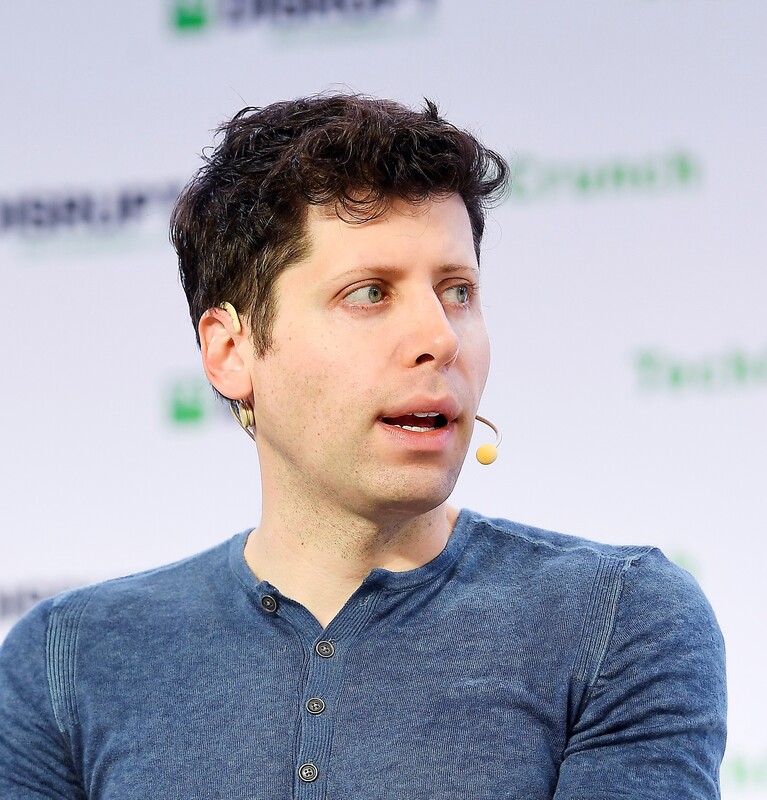
CEO of OpenAI
1985-present
American entrepreneur who leads OpenAI, the company behind ChatGPT and GPT-4. Previously president of Y Combinator, his vision for artificial general intelligence and its implications for work and society shapes much of the current AI discourse.
TechCrunch, CC BY 2.0, via Wikimedia Commons
The development of AI is as fundamental as the creation of the microprocessor, the personal computer, the Internet, and the mobile phone. It will change the way people work, learn, travel, get health care, and communicate with each other.
- Sam Altman, GatesNotes guest essay
Altman isn’t wrong about the magnitude. But “fundamental” doesn’t tell you the direction. Microprocessors created both spreadsheets and surveillance. The internet gave us Wikipedia and deepfakes. What matters isn’t whether AI will change things. It’s whether we’ll design the processes to steer that change.
We built Tallyfy because we kept seeing this tension firsthand. The organizations that succeed with AI aren’t the ones throwing it at every problem. They’re the ones who defined their workflows first and then asked where AI could help. Sequential steps. Decision points. Escalation paths. That boring process work turns out to be the infrastructure AI actually needs.
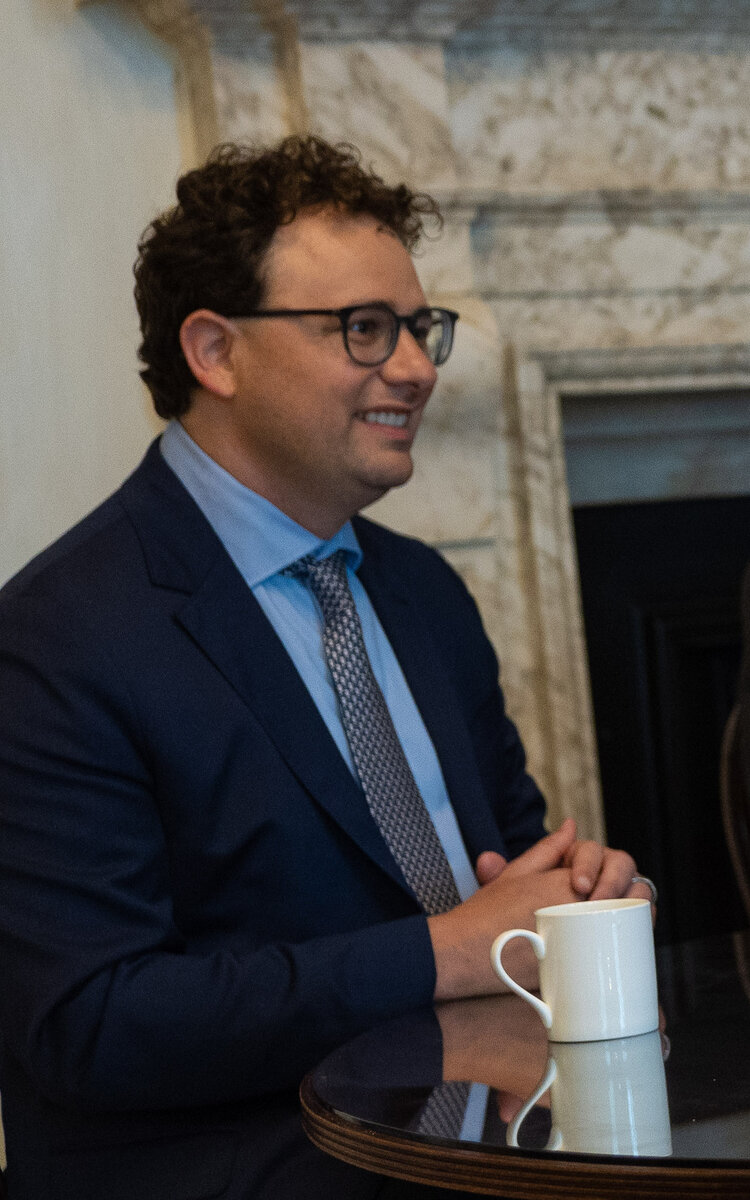
CEO of Anthropic
1983-present
American AI researcher and entrepreneur who co-founded Anthropic. Previously VP of Research at OpenAI, he focuses on AI safety and building reliable, interpretable AI systems. His approach emphasizes responsible AI development without sacrificing capability.
TechCrunch, CC BY 2.0, via Wikimedia Commons
I think that most people are underestimating just how radical the upside of AI could be, just as I think most people are underestimating how bad the risks could be.
- Dario Amodei, Machines of Loving Grace
This is the most honest framing I’ve come across. Amodei doesn’t pick a side. He says the ceiling is higher than you think AND the floor is lower than you think. That’s terrifying and exciting simultaneously.
In his essay, he envisions AI accelerating biological research by a factor of ten or more, potentially compressing a century of medical progress into five to ten years. That’s not marketing fluff. He’s running Anthropic, one of the leading AI labs and he’s still cautious enough to spend 10-20% of his own time on safety policy. That combination of ambition and caution is rare and worth paying attention to.
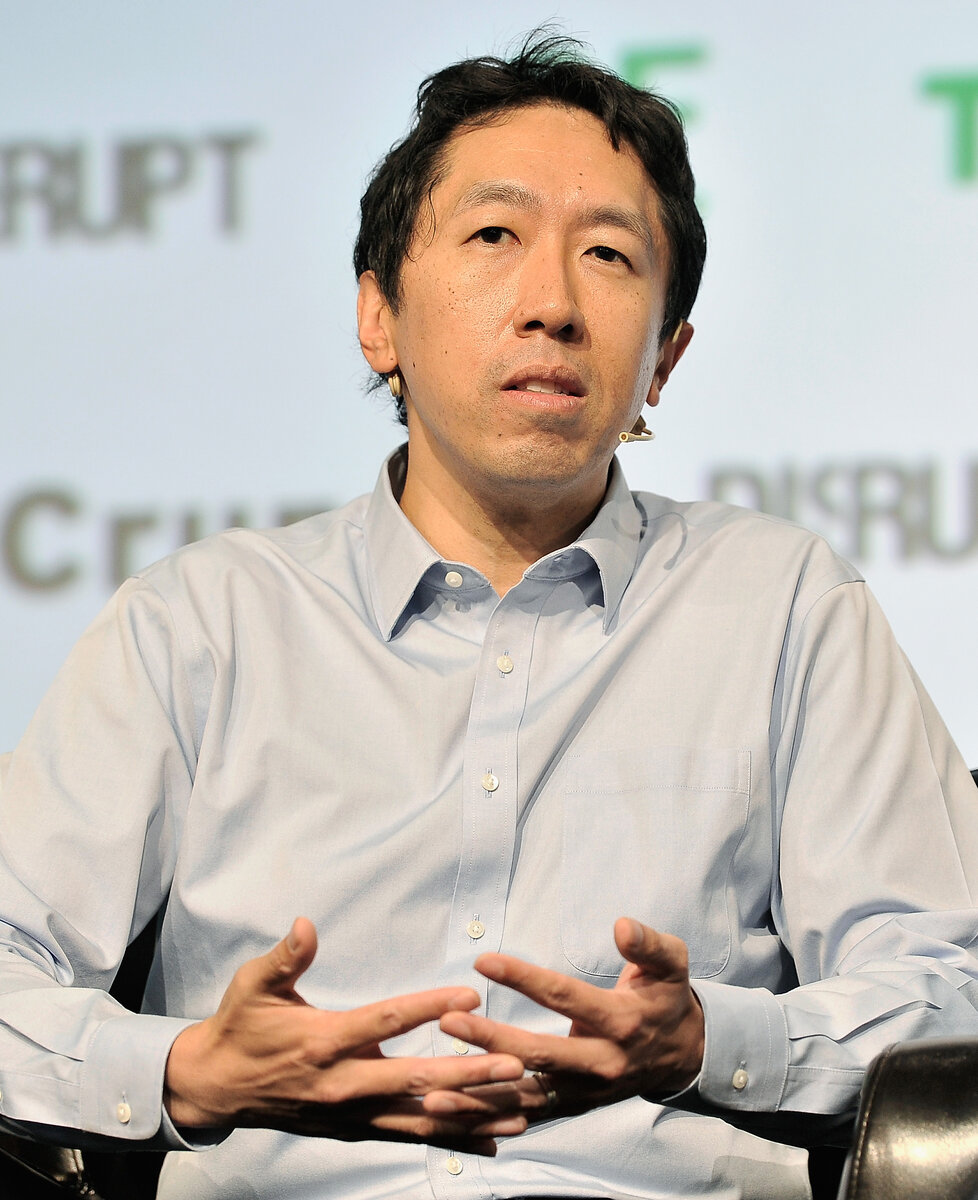
AI Pioneer & Co-founder of Coursera
1976-present
British-American computer scientist and entrepreneur who co-founded Coursera and led AI efforts at Google and Baidu. His accessible teaching style has educated millions about machine learning, making AI concepts understandable to business leaders.
Collision Conf, CC BY 2.0, via Wikimedia Commons
Just as electricity transformed almost everything 100 years ago, today I actually have a hard time thinking of an industry that I don’t think AI will transform in the next several years.
- Andrew Ng, Stanford GSB
Ng’s electricity analogy is useful but incomplete. Electricity didn’t transform industries overnight. It took decades of rewiring factories, redesigning workflows, and retraining workers. The factories that just bolted electric motors onto existing steam-powered layouts didn’t get much benefit. The ones that redesigned their entire production flow around electricity? Those transformed.
Same thing is happening with AI right now. I keep hearing from operations teams who cobble together a chatbot or AI assistant on top of an existing mess and wonder why nothing improves. The technology works. The process doesn’t.
Ng also said something I think about a lot: “A lot of the game of AI today is finding the appropriate business context to fit it in.” That’s the hard part. Not the model. The context.

Co-founder of Microsoft
1955-present
American business magnate who co-founded Microsoft and led it to become the world's largest PC software company. Now focused on philanthropy, his insights on automation and technology adoption remain influential.
DFID - UK Department for International Development, CC BY 2.0, via Wikimedia Commons
AI will change society the most. It will help solve many of our current problems while also bringing new challenges very different from past innovations.
- Bill Gates, GatesNotes
Gates brings credibility to this because he’s seen multiple technology waves transform everything and he’s still surprised by this one. He’s said publicly there’s “no upper limit” on how intelligent AI systems will get.
But notice what he emphasizes: new challenges very different from past innovations. He’s not saying “everything will be wonderful.” He’s saying the problems AI creates will be unlike anything we’ve dealt with before. That’s a measured take from someone who could easily just be a cheerleader.

CEO of Microsoft
1967-present
Indian-American CEO of Microsoft since 2014, credited with transforming the company's culture from competitive infighting to collaborative growth mindset. His leadership tripled Microsoft's market value.
Microsoft, CC BY-SA 4.0, via Wikimedia Commons
I definitely fall into the camp of thinking of AI as augmenting human capability and capacity.
- Satya Nadella, Microsoft keynote
Nadella reframed Microsoft around “AI as augmentation” and it worked. Tripled the company’s market value. But there’s something deeper in his thinking worth a closer look. He’s pushed the concept of “precision augmentation” - where people who receive AI-generated work need to understand how it works and where they fit in the workflow.
That last part is critical. It’s not enough for AI to produce an output. The humans in the loop need to understand the output well enough to use it, challenge it, or override it. That’s a process design problem. Not a technology problem.
The critics and skeptics worth hearing
Honestly, the critics don’t get enough airtime. Not the doomsday types screaming about Terminator scenarios. The serious researchers who study what AI actually does to organizations, labor markets, and power structures. These perspectives should make any business leader pause before rushing into implementation.
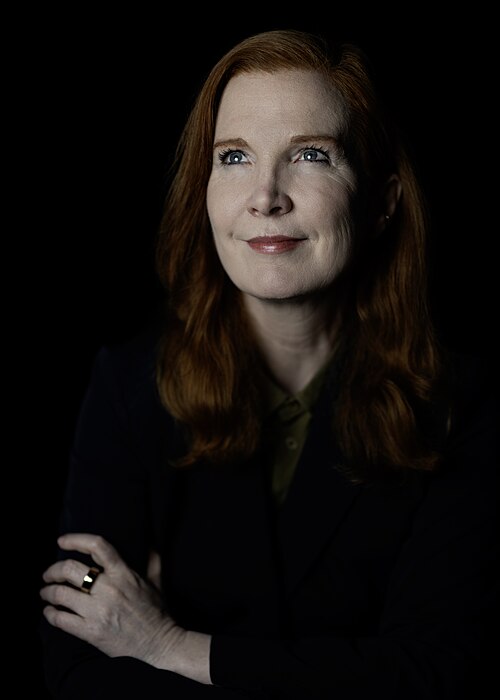
AI Researcher & Author of Atlas of AI
1976-present
Australian-American scholar who studies the social and political implications of artificial intelligence. Her book 'Atlas of AI' examines the hidden costs of AI systems, from environmental impact to labor exploitation, providing crucial context for responsible AI adoption.
re:publica, CC BY 2.0, via Wikimedia Commons
AI is neither artificial nor intelligent. It is made from natural resources, and it is anything but autonomous.
- Kate Crawford, Atlas of AI (2021)
Crawford’s work hits different when you’ve been in the weeds of AI implementation. She’s not saying AI is bad. She’s saying the word “artificial” hides something important: every AI system is built on physical infrastructure, human labor, and extracted data. When we call it “artificial,” we forget all the very real human and environmental costs.
This matters for businesses because the costs of AI aren’t just your API bill. They include data preparation, process redesign, change management, and ongoing oversight. Anyone who tells you AI implementation is just plug-and-play hasn’t done it.
AI systems are not autonomously operating entities. They are technical infrastructures designed and deployed by people, embedded within institutional structures, shaped by profit motives and governmental interests.
- Kate Crawford, Atlas of AI (2021)
I keep coming back to this one. It strips away the mystique. AI isn’t some independent intelligence making decisions. It’s software built by people with specific goals, running in specific organizational contexts, producing specific outcomes that benefit specific interests.
The thing is, when you frame it that way, the question changes from “what can AI do?” to “who benefits from how this AI system works?” That’s a much more useful question for any operations leader.

Chief AI Scientist at Meta
1960-present
French-American computer scientist and Turing Award winner for his work on deep learning. As Chief AI Scientist at Meta, his perspective on AI capabilities and limitations provides valuable counterbalance to both hype and doom narratives about artificial intelligence.
ITU Pictures, CC BY 2.0, via Wikimedia Commons
AI is not some sort of natural phenomenon that will just emerge and become dangerous. We design it and we build it.
- Yann LeCun, X post
LeCun is the loudest voice pushing back against AI doom narratives. As Meta’s Chief AI Scientist and a Turing Award winner, he’s earned the right to be blunt. He’s called existential risk fears “complete B.S.” and compared them to an “apocalyptic cult.”
His point is practical: we design these systems. We build them. We control what they can and can’t do. If something goes wrong, it’s an engineering failure, not an autonomous uprising. I think he’s probably spot on about current systems. Whether he’ll still be right in ten years is a different question.
He also pointed out that current AI systems lack some capabilities that even a house cat has - persistent memory, genuine reasoning, understanding of the physical world. That’s a useful reality check when the marketing materials promise you human-level intelligence.
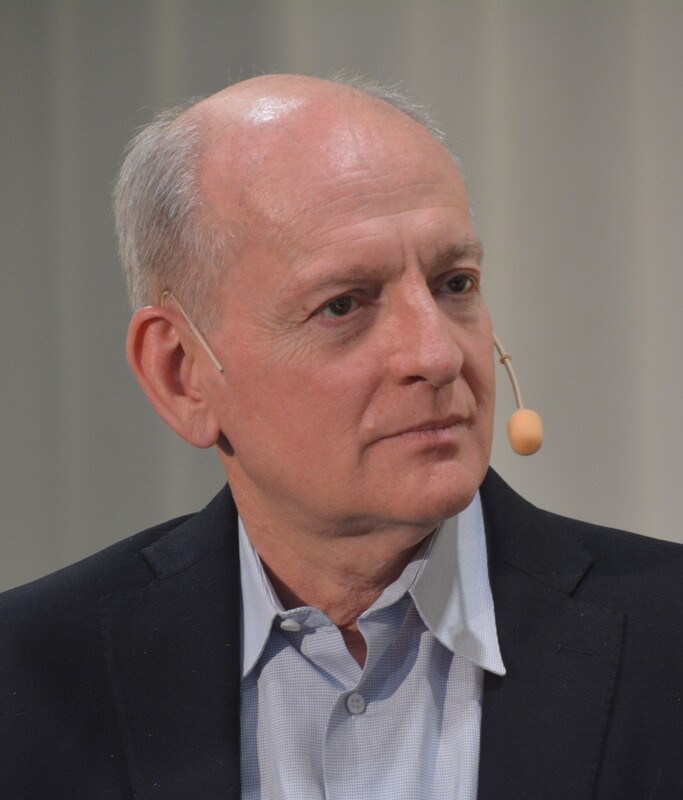
AI Researcher & Author
1962-present
British computer scientist and professor at UC Berkeley, co-author of the definitive AI textbook used by millions of students. His work on AI safety, particularly the concept of beneficial AI that defers to human preferences, provides essential frameworks for responsible AI deployment.
Future of Life Institute, CC BY 2.0, via Wikimedia Commons
The alignment problem will get more and more severe as machine learning is embedded in more and more places: recommending us news, operating power grids, deciding prison sentences, doing surgery, and fighting wars.
- Stuart Russell, Human Compatible (2019)
Russell and Peter Norvig wrote the definitive AI textbook used by millions of students worldwide. When he worries about alignment, pay attention.
His concern isn’t science fiction. It’s about real systems making real decisions that affect real people right now. A recommendation algorithm that keeps you angry. Sentencing algorithms that encode racial bias. A military system that selects targets without meaningful human oversight.
He proposes three principles that I think apply to any AI implementation: the machine’s only objective should be maximizing human preferences, the machine should be uncertain about what those preferences are, and the machine should learn those preferences from observing human behavior. That’s a framework worth stealing for any workflow design.
AI and the future of work
This is where the conversation gets personal for most people. Not “will AI change the world” in some abstract sense, but “will AI change my job next Tuesday.” The honest answer from everyone I respect: yes, but not in the way you think. Is that reassuring? Not particularly.
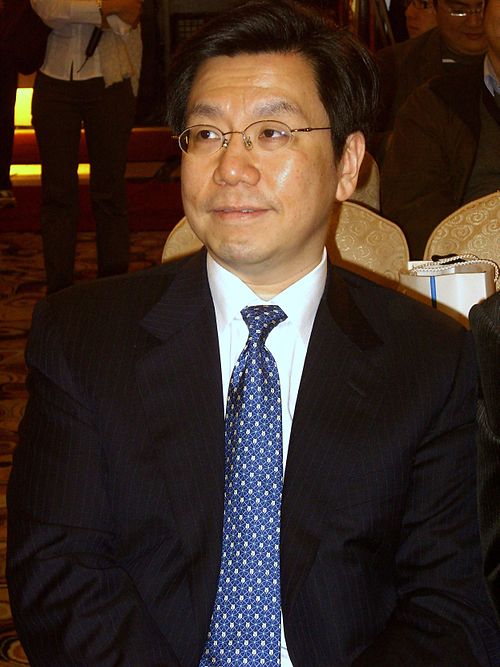
AI Investor & Former Google China President
1961-present
Taiwanese-American computer scientist and entrepreneur who led Google China and founded Sinovation Ventures. His book 'AI Superpowers' provides unique insight into AI development in both the US and China, with practical perspectives on AI's impact on work.
World Economic Forum, CC BY 2.0, via Wikimedia Commons
AI will increasingly replace repetitive jobs. Not just for blue-collar work, but a lot of white-collar work. Routine-based jobs will be displaced by AI, but jobs requiring creativity, strategy, and human connection will remain.
- Kai-Fu Lee, Fortune
Lee has a unique view because he’s built AI companies in both the US and China. He predicted AI would displace 50% of jobs by 2027 and recently called that prediction “uncannily accurate.”
But here’s the nuance people miss: displacement doesn’t mean elimination. It means transformation. The jobs that survive will look different. They’ll require more judgment, more empathy, more creativity. The routine parts get automated. The human parts get elevated.
Every time we onboard a new team, the same issue surfaces building workflow tools at Tallyfy, we’ve seen this play out. The operations teams that thrive aren’t fighting automation. They’re using it to eliminate the mind-numbing data entry and status checks. That frees them to focus on the exceptions, the relationships, the decisions that actually need a human brain.
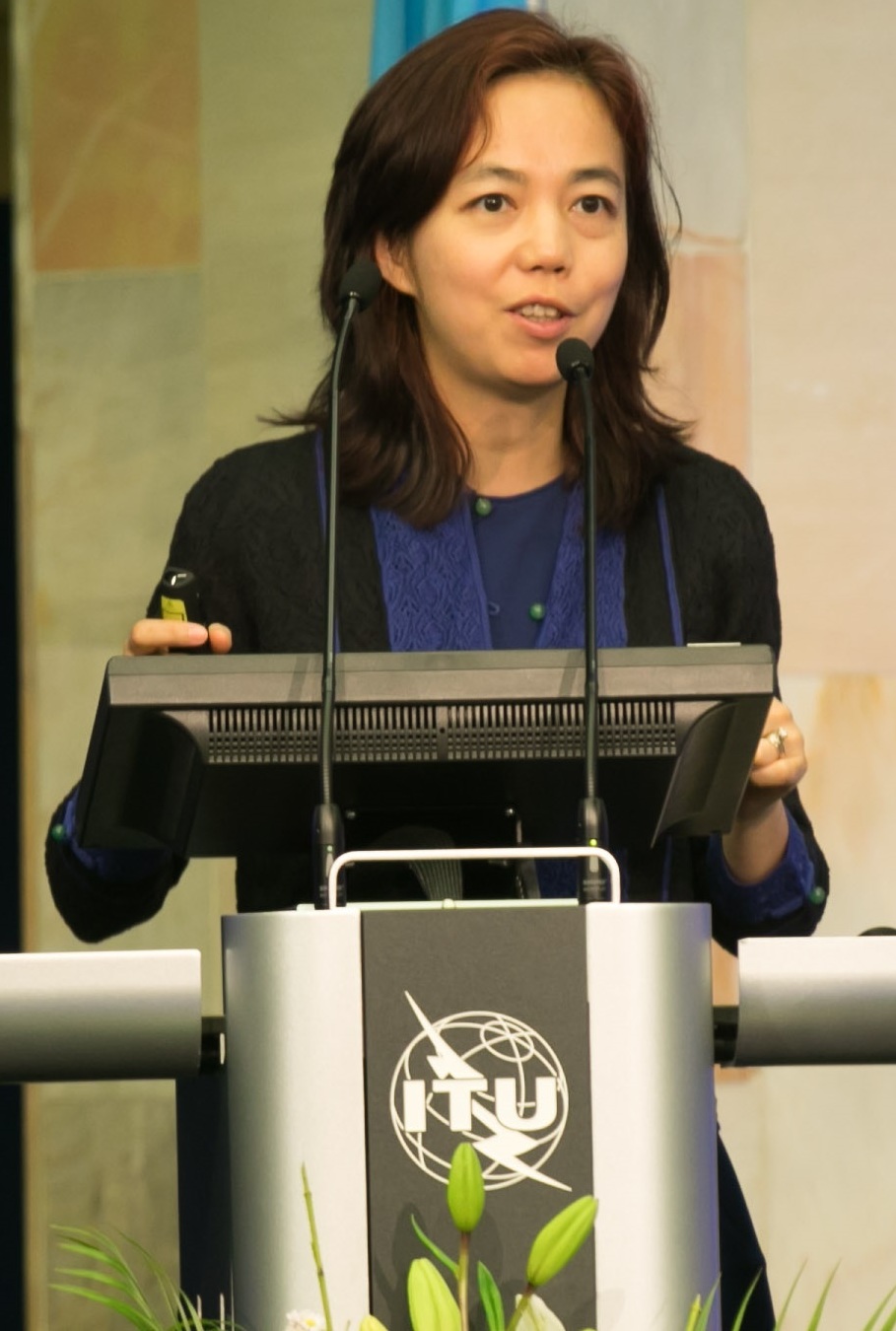
AI Researcher & Co-Director of Stanford HAI
1976-present
Chinese-American computer scientist who pioneered ImageNet, the dataset that sparked the deep learning revolution. As co-director of Stanford's Human-Centered AI Institute, she advocates for AI development that prioritizes human welfare and societal benefit.
ITU Pictures, CC BY 2.0, via Wikimedia Commons
Despite its name, there is nothing artificial about this technology - it is made by humans, intended to behave like humans, and affects humans. So if we want it to play a positive role in tomorrow’s world, it must be guided by human concerns.
- Fei-Fei Li, Stanford HAI
Li pioneered ImageNet, the dataset that basically kicked off the entire deep learning revolution. She’s been in this longer than most. Her insistence on “human-centered AI” isn’t a sales pitch. It’s a technical design philosophy: build AI that starts from human needs, not from what’s technically possible.
That distinction matters enormously for process design. The question shouldn’t be “what can we automate?” Actually, that’s too binary. It should be “what do the people doing this work actually need?” Start there. Then figure out where AI fits.
We need to inject all walks of life into the process of developing AI.
- Fei-Fei Li, NPR interview
Short quote. Massive implication. If only technologists build AI, it solves technologist problems. If the people who actually do the work - nurses, teachers, factory workers, accountants - aren’t part of the design process, the resulting systems will miss what matters.
We learned this the hard way at Tallyfy. The implementations that work best aren’t designed by IT departments in isolation. They’re built with the people who’ll use them daily. Same principle applies to AI.
The real question is, if we think about AI as augmenting humans, then what kind of jobs should be created?
- Sundar Pichai, CEO of Google
Pichai flips the standard question. Instead of “what jobs will AI destroy?” he asks “what jobs should AI create?” That’s a completely different design challenge. And it’s one that MCP-enabled AI agents are starting to answer. When AI can connect to your existing tools and workflows, entirely new roles emerge to orchestrate, monitor, and improve those connections.
AI ethics and who gets to decide
The ethics conversation around AI often feels abstract. It shouldn’t be. Every AI system makes decisions that affect real people. Who designs those systems, who benefits from them, and who gets harmed by them are intensely practical questions.
No hand-waving allowed.
If we want AI to be safe, we have to figure out how to make it safe, and that’s not going to happen by accident.
- Stuart Russell, 80,000 Hours podcast
Russell again. Safety doesn’t emerge from good intentions. It requires deliberate engineering. Russell has said he’s in a race between figuring out how to control AI systems and figuring out how to build AGI, and he wishes there wasn’t a race at all.
This applies at the business level too. The organizations building AI-powered workflows without thinking about failure modes, edge cases, and human overrides are building systems that will break badly. Designing for safety isn’t paranoia. It’s engineering.
We are under an incredible amount of commercial pressure and make it even harder for ourselves because we have all this safety stuff we do.
- Dario Amodei, 60 Minutes interview (2025)
This quote reveals the core tension. Safety costs money and time. Competitors who skip safety work move faster. Amodei is essentially admitting that doing the right thing is a competitive disadvantage, and he’s asking for regulation to level the playing field.
I respect the honesty here. It’s rare for a CEO to publicly say “please regulate my industry because I can’t trust my competitors to be responsible.” Whether governments can actually regulate AI effectively is a separate and much harder question.
Whom do these systems serve? What are the political economies of their construction? And what are the wider planetary consequences?
- Kate Crawford, Atlas of AI (2021)
Three questions. Every organization deploying AI should answer them. Not in a PR statement. For real.
Who benefits from this system? Not “humanity” in the abstract. Specifically. Which department? Which role? Which executive’s dashboard? What does building and running this system actually cost? Not just the API fees. Data preparation. Compute costs. Environmental impact. Process redesign. Staff development. What happens when this system makes a mistake? Who bears the consequences?
Most AI business cases skip these questions entirely. That’s how you end up in Gartner’s 30% abandonment pile.
People will buy intelligence on demand.
- Sam Altman, blog post
Altman envisions a future where intelligence is a utility, like electricity or water. Companies won’t buy software licenses or hire human expertise for routine cognitive work. They’ll purchase units of intelligence and pay based on usage.
That’s probably directionally right. And it’s terrifying for anyone whose job is routine cognitive work. But it also means that the value shifts. If intelligence becomes cheap and abundant, what becomes scarce and valuable? Process design. Judgment. Context. The ability to ask the right question instead of just answering the one you’re given.
This is why I keep saying that defining processes matters more than ever in the age of AI. If intelligence is on tap, the competitive advantage moves to whoever designs the best workflows for that intelligence to follow.
Where this leaves us
After reading through hundreds of AI quotes - from researchers, CEOs, critics, engineers - I think the honest answer is: nobody fully knows where this goes.
The optimists see a world where AI eliminates drudgery, cures diseases, and makes high-quality education and medical advice available to everyone. Dario Amodei’s vision of compressing a century of medical progress into a decade is genuinely bold.
The critics see hidden costs, power concentration, and systems that encode existing biases at scale. Kate Crawford’s questions about who these systems serve deserve answers that most organizations haven’t even tried to formulate.
Both sides are right.
That’s the uncomfortable part.
Here’s what I keep coming back to after years of building workflow software at Tallyfy:
Process comes first. Every quote on this page, whether optimistic or critical, circles back to this. Automation applied to an efficient operation magnifies efficiency. Automation applied to a mess magnifies the mess. Bill Gates said it about software decades ago. It’s even more true with AI.
Define your process before you add intelligence. Sequential steps. Parallel tracks. Decision points. Escalation paths. Human checkpoints. These aren’t optional documentation. They’re the infrastructure that AI agents need to operate effectively. Without them, you’re just building a more expensive chatbot.
The people doing the work need to be part of the design. Fei-Fei Li says it. Peter Senge says it. We’ve seen it at Tallyfy over and over. The implementations that stick involve the humans who’ll use them. The ones imposed from above get worked around.
Safety is an engineering requirement, not a luxury. Stuart Russell’s framework - machines should be uncertain about human preferences and learn from behavior - applies to every AI workflow. Build in human overrides. Plan for failure. Design the process so a mistake is recoverable.
The age of AI isn’t tomorrow. It’s here. The question is whether you’ll design the processes to steer it or let it steer you.
About the Author
Amit is the CEO of Tallyfy. He is a workflow expert and specializes in process automation and the next generation of business process management in the post-flowchart age. He has decades of consulting experience in task and workflow automation, continuous improvement (all the flavors) and AI-driven workflows for small and large companies. Amit did a Computer Science degree at the University of Bath and moved from the UK to St. Louis, MO in 2014. He loves watching American robins and their nesting behaviors!
Follow Amit on his website, LinkedIn, Facebook, Reddit, X (Twitter) or YouTube.

Automate your workflows with Tallyfy
Stop chasing status updates. Track and automate your processes in one place.